2026 Event Programme
Programme is subject to change
Registration and Coffee
Welcome
TBC
Synthetic biology innovation in the race for sustainable, secure and resilient production
Anna Korre, Associate Provost (Sustainability) and Professor of Environmental Engineering at Imperial College
-
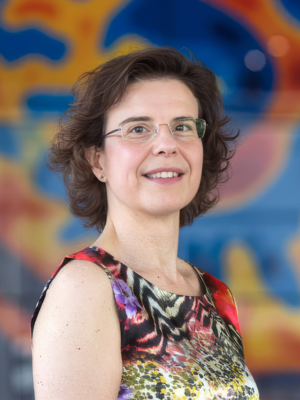
Anna Korre
Imperial College London
Associate Provost (Sustainability) and Professor of Environmental Engineering at Imperial College
Anna Korre
Imperial College London
Bio
As the Associate Provost (Sustainability) and Professor of Environmental Engineering at Imperial College, Anna Korre’s research expertise is in the areas of modelling risk and uncertainty and the environmental and life cycle assessment (LCA) of engineering systems. She has led and directed numerous industry, UKRI and EU funded projects. A strong EDI advocate, Anna’s podcast for Life Scientific on “Capturing carbon dioxide and defying expectations” can be found at https://www.bbc.co.uk/programmes/m00237pc.
Same Same but Different – Industrial bioeconomy in Germany in a global context
Inventive tinkering combined with our passion for precision fermentation (beer! bread! ‘kraut’!) should make Germany the ‘place to be’ for biotechnology industries. German scientists like Axel Ullrich invented approaches to using biological entities in diabetes or cancer therapy 50 years ago and these are still valid today. He did so while he worked in laboratories in the in the U.S. which are still the world’s leading location for biotech research and commercialization. But: China is catching up. In particular in industrial biotechnology. The talk will provide insights into our current position in the so-called bioeconomy today and the opportunities available to Germany or – better – Europe to compete globally.
-
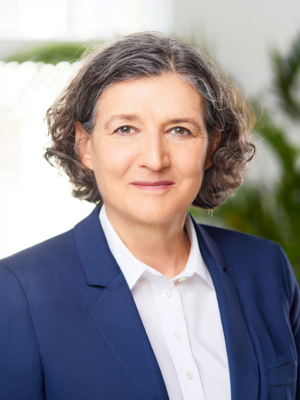
Viola Bronsema
German Biotechnology Industry Association
Viola Bronsema has been managing director of the German Biotechnology Industry Association (BIO Deutschland e. V.) in Berlin since October 2006.
Viola Bronsema
German Biotechnology Industry Association
Bio
Viola Bronsema has been managing director of the German Biotechnology Industry Association (BIO Deutschland e. V.) in Berlin since October 2006. She has been a member of the jury for the Research Campus Program since 2021. From 2020 to 2023, she was also a member of the German Federal Government’s Bioeconomy Council, and from 2021 to 2025, she was a member of the Federal Ministry of Education and Research’s Council for Technological Sovereignty.
Previously, she headed communications at Roche Diagnostics GmbH and Roche Diagnostics Europe, Middle East, Africa from 2002 to 2006, and was press spokesperson for Lilly Pharma Holding GmbH from 2000 to 2002. From 1998 to 2000, she worked as a press spokesperson and editor in the press and public relations department of the German Cancer Research Center (DKFZ) in Heidelberg. From 1995 to 1998, she was a public relations consultant at CGC Cramer-Gesundheits-Consulting, Frankfurt, most recently as a senior consultant. She began her professional career in 1989 as a research assistant at the Center for Molecular Biology in Heidelberg.
Viola Bronsema studied biology at the Universities of Mainz and Heidelberg and completed her dissertation at the Center for Molecular Biology in Heidelberg. She also trained as a certified public relations consultant at Initiative Communication e. V. in Heidelberg.
Climate Mitigation
This session will feature a 20 minute plenary session delivered by Lionel Clarke followed by a 40 minute panel session with a focus on sustainable futures.
-
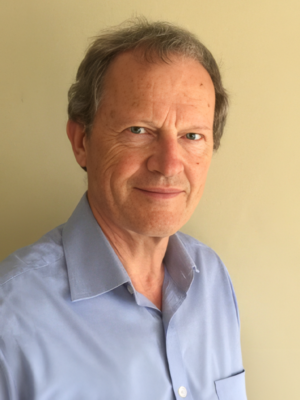
Lionel Clarke
BionerG Ltd
Director, BionerG Ltd and Former Co-Chairman, UK Engineering Biology Leadership Council
Lionel Clarke
BionerG Ltd
Bio
Following academic research in Imperial College, in Cambridge University and in Grenoble, France (as a Royal Society European Research Fellow), Lionel Clarke began his career developing environmentally-improved transport fuels with Shell, initially as global technical lead pioneering the global phase-out of leaded gasoline and, from 2000, the development of advanced biofuels as a means to reduce dependence upon fossil fuels. Motivated by the urgency to develop effective solutions to tackle climate change and the central role that biological systems could play, he left Shell in 2014 to start his own company, BionerG, developing a biobased system for global carbon removal. He was invited by the UK government in 2011 to chair the generation of the UK Synthetic Biology Roadmap, and subsequently to co-chair together with a senior government minister the UK’s Engineering Biology Leadership Council (EBLC), an independent advisory council, through to 2023.
Lionel Clarke is a visiting professor in the Department of Bioengineering in Imperial College and holds an honorary professorial chair in the Faculty of Chemistry in the University of Manchester. In 2019 he was awarded an OBE by HM Queen Elizabeth for services to Synthetic Biology.
Coffee Break
Scaling Success
The presenters for this panel are all senior members of successful developing companies. They will each give an introduction to their company’s journey. This will be followed by a discussion on the key lessons learnt during the development of their companies and how the industrial translation process from lab to company can be improved.
David Sheppard, CEO of HotHouse Therapeutics
Jacob Nathan, Founder and CEO of Epoch Biodesign
Dara Henry, COO at Prokarium
Plenary
-
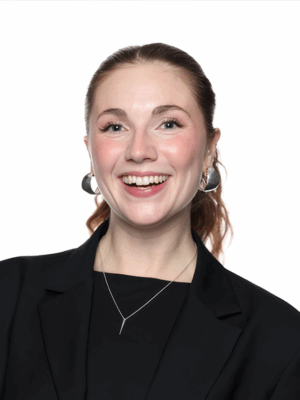
Jess Simpson
Twist Bioscience
Synthetic Biology Account Manager at Twist Bioscience
Jess Simpson
Twist Bioscience
Bio
Jess is an Account Manager for Synthetic Biology at Twist Bioscience, a role she has held since November 2023. Based in London, she supports customers across London, Cambridge, and Scotland. In this position, Jess collaborates with a diverse range of clients within the synthetic biology sector, with a particular focus on biologics and protein engineering. She is especially passionate about supporting start-ups and biotech companies, helping them leverage Twist’s industry-leading DNA synthesis solutions. Jess is always happy to connect and discuss how Twist can support innovative research and development.
Lunch
Keynote: Synthetic Biology – The state of play and the vision, both academically and industrial
-
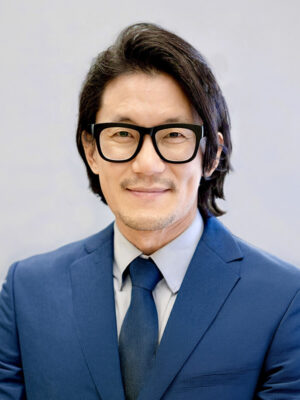
Matthew Chang
National Centre for Engineering Biology, Singapore (NCEB)
Matthew Chang is Executive Director of the National Centre for Engineering Biology, Singapore (NCEB) and Director of the SINERGY, Singapore Consortium for Synthetic Biology
Matthew Chang
National Centre for Engineering Biology, Singapore (NCEB)
Bio
Matthew Chang is Executive Director of the National Centre for Engineering Biology, Singapore (NCEB) and Director of the SINERGY, Singapore Consortium for Synthetic Biology. He is Provost’s Chair Professor at the National University of Singapore (NUS), co-founded the Asian Synthetic Biology Association ASBA and the Global Biofoundry Alliance (GBA), and co-chairs the World Economic Forum’s (WEF) Global Future Council on Generative Biology.
Engineering Biology shaping the Bioeconomy – UK
This session will feature a 15 minute plenary session focused on engineering biology shaping the bioeconomy followed by a 40 minute panel session with a focus on UK Policy.
-
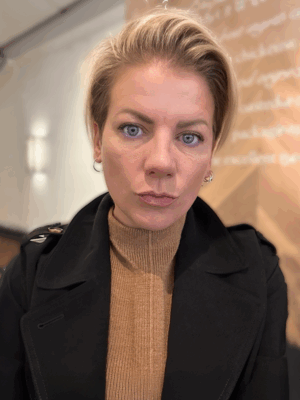
Jen Vanderhoven
BBIA
Jen is the COO of the BBIA, and runs her own successful consultancy, FREY, which provides expert advice in business development for the biotech sector.
Jen Vanderhoven
BBIA
Bio
Jen graduated from The University of Sheffield, with a first-class Masters of Biological Sciences in 2004 and a PhD in Biochemistry in 2007. With a 20-plus year progressive career in biotechnology, spanning both higher education and the commercial sector, Jen has held roles in research and development, sales and marketing, business development, and business change and transformation. Jen is currently the COO of the BBIA, and runs her own successful consultancy, FREY, which provides expert advice in business development, fundraising, stakeholder engagement, strategic partnerships, policy development, marketing & communications and project management for the biotech sector.
-
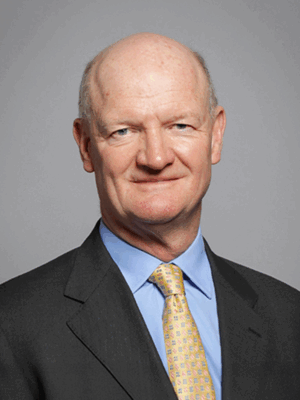
Lord David Willetts
Regulatory Innovation Office
Lord Willetts is Chair of the Regulatory Innovation Office
Lord David Willetts
Regulatory Innovation Office
Bio
The Rt Hon Lord Willetts FRS is the President of the Resolution Foundation. He is Chair of the Regulatory Innovation Office and of SaxaVord Spaceport . He is Chair of the Foundation for Science and Technology and a visiting professor at King’s College, London. He served as the Member of Parliament for Havant (1992-2015), as Minister for Universities and Science (2010-2014) and previously worked at HM Treasury and the No. 10 Policy Unit.
Lord Willetts has written widely on economic and social policy. His book “A University Education” is published by Oxford University Press. A second edition of his book “The Pinch” on fairness between the generations was published in 2019.
Company Presentations
In this fast-paced session, emerging companies take the stage to showcase how they are transforming ideas into impactful SynBio ventures. Each startup will deliver a five-minute talk, offering a snapshot of the innovation, ambition and commercial potential driving the next generation of engineering biology.
Lara Selles Vidal, Co-Founder of Greenleaf
Vinkeeta Tripathi, CEO of Vitarka Therapeutics
Giuseppe Mazza, Co-founder and CEO at Engitix Therapeutics
Giovanni Stracquadino, Professor of Engineering Biology at the University of Edinburgh and founder and CEO of Zythera
Plenary
Coffee Break
Engineering Biology shaping the Bioeconomy
This session will feature a 20 minute plenary session delivered by Peter Wehrheim with a focus on EU policy followed by a 40 minute panel session
Moderated by Richard Kitney
Peter Wehrheim, Head of Unit for the Bioeconomy and Food System, European Commission
Jussi Jäntti, VTT Technical Research Centre of Finland
Christine Lang, Co-chair of the International Global Advisary Council on Global Bioeconomy
Ariel Lindner, Director of Research at INSERM, Director of the Systems Engineering and Evolution Dynamics unit at Sorbonne University, and Co-founder and Chief Scientific Officer of the Sorbonne University’s Paris Biofoundry
Metrology and standards infrastructure for a thriving UK bioeconomy – today, tomorrow and beyond
-
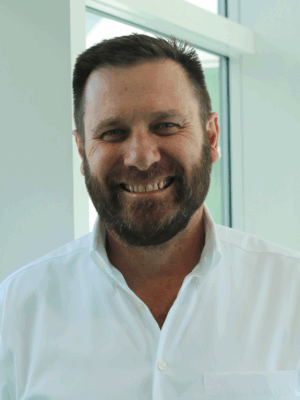
Jeff Anthony
NPL
Jeffrey leads on Engineering Biology Partnerships at the National Physical Laboratory.
Jeff Anthony
NPL
Bio
Jeffrey leads on Engineering Biology Partnerships at the National Physical Laboratory NPL having joined their Life Sciences & Health Team in 2019. His current area of focus centres on building collaborations with EngBio partners from industry, academia and the public sector to identify the ways in which NPL’s metrology expertise and capability can support research and its translation to drive growth.
Jeffrey’s technical background is in microbiology, having studied Biotechnology at the Royal Melbourne Institute of Technology. He has worked in the pharmaceutical industry in quality assurance and product development roles in Australia with CSL and was responsible for the early development of the American Type Culture Collection in Europe when working with LGC. Jeffrey has worked in reference materials development roles and he has experience with precision breeding technologies focussed on Agricultural applications having led the LGC Group’s initial launch of their genomics business in Southeast Asia. Today Jeffrey is a strong advocate for the development of industry aligned standards and metrics which can enable investment and smooth the path to growth for engineering biology companies across the UK and for the role standards can play in enabling global supply chains.
-
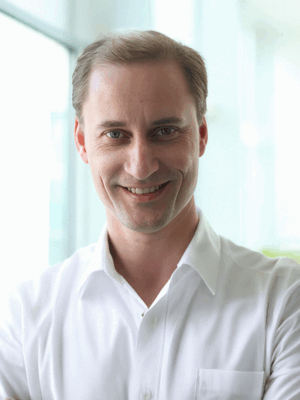
Max Ryadnov
NPL
Max Ryadnov leads Engineering Biology at NPL. He is an NPL Fellow in biometrology, Professor of biophysics, Director of the UK’s reference biofoundry and holds a PhD in Chemistry.
Max Ryadnov
NPL
Bio
Max Ryadnov leads Engineering Biology at NPL. He is an NPL Fellow in biometrology, Professor of biophysics, Director of the UK’s reference biofoundry and holds a PhD in Chemistry.
In his role Max is responsible for pre-normative research, metrology and standardisation for industry with an emphasis on sector-agnostic advanced biomanufacturing. His team has delivered 3rd party projects with over 80 UK companies engaging at different TRLs. Max collaborates extensively with research organisations, having secured a substantial grant portfolio from UKRI, ISCF, ISPF, EURAMET, STFC and industry. Max is an active member of standardisation and metrology fora under ISO, CCQM and VAMAS. He has founded and chairs a technical working area in VAMAS, which provides international leadership in standardization activities to support the uptake of engineering biology innovations to industry. His work continues to promote science beyond the lab and is regularly covered in industry-oriented publications and by the mainstream media.
Drinks Reception
Arrival and Coffee
Keynote: Synthetic biology and biomanufacturing in Shenzhen
-
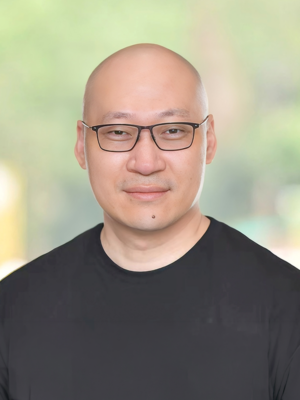
Chenli Liu
Shenzhen Institutes of Advanced Technology (SIAT)
Chenli Liu is a Pengcheng Distinguished Professor and President of Shenzhen Institutes of Advanced Technology (SIAT)
Chenli Liu
Shenzhen Institutes of Advanced Technology (SIAT)
Bio
Chenli Liu is a Pengcheng Distinguished Professor and President of Shenzhen Institutes of Advanced Technology (SIAT), Chinese Academy of Sciences, the Founding Directors of China State Key Laboratory for Quantitative Synthetic Biology, China National Industrial Innovation Center for Biomanufacturing (NIICB), and Shenzhen Institute of Synthetic Biology (iSynBio), the Chief Scientist of Shenzhen Infrastructure for Synthetic Biology, the Chief scientist of Chinese Academy of Sciences Synthetic Cell Initiative, and National Natural Science Foundation of China Basic Science Center on Synthetic Cell. Liu obtained his Ph.D. in Biochemistry from the University of Hong Kong, and postdoctoral training at MCB, Harvard University. He started his lab at SIAT in 2014. Liu lab is focused on bringing together concepts and approaches from synthetic biology together with quantitative biology. Current research interest includes synthesizing a cellular life from bottom up and engineering bacteria for solid tumor therapy. He is the recipients of several prestigious awards, e.g. “Ho Leung Ho Lee Foundation Science and Technology Award”, “Agilent Thought Leader Award”, “C.C. Tan Life Science Innovation Award”.
Engineering Biology shaping the Bioeconomy – International Policy
Chaired by:
-
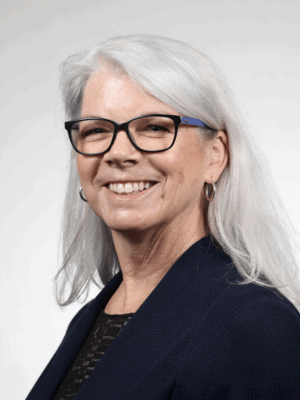
Mary Maxon
Caltech
Dr. Mary Maxon is a Visiting Associate at Caltech’s Linde Center for Science, Society, and Policy, and Chief Strategy Advisor for BEAM Circular
Mary Maxon
Caltech
Bio
Dr. Mary Maxon is a Visiting Associate at Caltech’s Linde Center for Science, Society, and Policy, and Chief Strategy Advisor for BEAM Circular.
Previously she was Executive Vice President at Carnegie Science and Executive Director of the Biosciences Institute at Schmidt Sciences. Dr. Maxon has also worked in the private sector, both in the biotechnology and pharmaceutical industries, as well as the public sector, highlighted by her tenure as the Assistant Director for Biological Research at the White House Office of Science and Technology Policy where she was the principal author of the Obama Administration’s National Bioeconomy Blueprint. She is a member of the International Advisory Council on Global Bioeconomy, and a member of the National Academies of Sciences, Engineering, and Medicine’s Standing Committee on Advances and National Security Implications of Transdisciplinary Biotechnology. Dr. Maxon is a Trustee of Carnegie Science, and a member of the Board of the Engineering Biology Research Consortium. Dr. Maxon also currently serves as a biotechnology subject matter expert for Eric Schmidt, a Commissioner on the National Security Commission on Emerging Biotechnology.
Featuring:
-
Matthew Chang
National Centre for Engineering Biology, Singapore (NCEB)
Matthew Chang is Executive Director of the National Centre for Engineering Biology, Singapore (NCEB) and Director of the SINERGY, Singapore Consortium for Synthetic Biology
Matthew Chang
National Centre for Engineering Biology, Singapore (NCEB)
Bio
Matthew Chang is Executive Director of the National Centre for Engineering Biology, Singapore (NCEB) and Director of the SINERGY, Singapore Consortium for Synthetic Biology. He is Provost’s Chair Professor at the National University of Singapore (NUS), co-founded the Asian Synthetic Biology Association ASBA and the Global Biofoundry Alliance (GBA), and co-chairs the World Economic Forum’s (WEF) Global Future Council on Generative Biology.
-
Chenli Liu
Shenzhen Institutes of Advanced Technology (SIAT)
Chenli Liu is a Pengcheng Distinguished Professor and President of Shenzhen Institutes of Advanced Technology (SIAT)
Chenli Liu
Shenzhen Institutes of Advanced Technology (SIAT)
Bio
Chenli Liu is a Pengcheng Distinguished Professor and President of Shenzhen Institutes of Advanced Technology (SIAT), Chinese Academy of Sciences, the Founding Directors of China State Key Laboratory for Quantitative Synthetic Biology, China National Industrial Innovation Center for Biomanufacturing (NIICB), and Shenzhen Institute of Synthetic Biology (iSynBio), the Chief Scientist of Shenzhen Infrastructure for Synthetic Biology, the Chief scientist of Chinese Academy of Sciences Synthetic Cell Initiative, and National Natural Science Foundation of China Basic Science Center on Synthetic Cell. Liu obtained his Ph.D. in Biochemistry from the University of Hong Kong, and postdoctoral training at MCB, Harvard University. He started his lab at SIAT in 2014. Liu lab is focused on bringing together concepts and approaches from synthetic biology together with quantitative biology. Current research interest includes synthesizing a cellular life from bottom up and engineering bacteria for solid tumor therapy. He is the recipients of several prestigious awards, e.g. “Ho Leung Ho Lee Foundation Science and Technology Award”, “Agilent Thought Leader Award”, “C.C. Tan Life Science Innovation Award”.
Coffee Break
Sustainable Futures: Bioplastics
Sierin Lim, Associate Professor, School of Chemistry, Chemical Engineering and Biotechnology at National Technological University
Multifaceted AI
Company Presentations
In this fast-paced session, emerging companies take the stage to showcase how they are transforming ideas into impactful SynBio ventures. Each startup will deliver a five-minute talk, offering a snapshot of the innovation, ambition and commercial potential driving the next generation of engineering biology.
Fredrik Adams, Founder and CEO of Firlas
Salpie Nowinski, CEO & Co-founder of Hijack Bio
Ben Wilding, CEO of Sun Bear Biofuture
Engineering Biology to Design the Future of Food
-
Rodrigo Ledesma-Amaro
Bezos Centre for Sustainable Protein and the Microbial Food Hub
Rodrigo Ledesma-Amaro is a Professor at Imperial College London and Director of the Bezos Centre for Sustainable Protein and the Microbial Food Hub.
Rodrigo Ledesma-Amaro
Bezos Centre for Sustainable Protein and the Microbial Food Hub
Bio
Rodrigo Ledesma-Amaro is a Professor at Imperial College London and Director of the Bezos Centre for Sustainable Protein and the Microbial Food Hub. He leads a research group at the forefront of Engineering Biology and sustainability.
His work focuses on harnessing microorganisms to convert renewable feedstocks into high-value products, with a particular emphasis on sustainable food ingredients. His research spans microbial bioproduction, including precision, biomass and traditional fermentation, and has resulted in over 200 publications.
Lunch
Scaling Engineering Biology: Three Perspectives on Industry Growth
This three-part session examines how growth in the engineering biology industry can be achieved from three distinct but connected perspectives: academia, start-ups and SMEs, and large industry. Each section will address the same core questions, enabling delegates to compare the priorities, challenges and opportunities identified by each group. A moderator will open each section with a short overview before leading a focused panel discussion.
The Academic Perspective: Turning research into industry growth
Susan Rosser, Professor at The University of Edinburgh
Rodrigo Ledesma-Amaro, Director of the Bezos Centre for Sustainable Protein
John Heap, Professor of Engineering Biology at the University of Nottingham and Principal Investigator at the GlycoCell UKRI Engineering Biology Mission Hub
Rowan McKibbin, Director: UKRI Engineering Biology Programme, BBSRC
The Start-up and SME Perspective: Building ventures and overcoming scale-up barriers.
-
Ben Reeve
Modern Synthesis
Ben Reeve is the Co-founder and CTO of Modern Synthesis, developing materials from microbes to replace leather and coated textiles in the fashion industry.
Ben Reeve
Modern Synthesis
Bio
Ben Reeve is the Co-founder and CTO of Modern Synthesis, developing materials from microbes to replace leather and coated textiles in the fashion industry.
He has an MA from the University of Cambridge and a PhD in synthetic biology from the Ellis Lab at Imperial College London. Previously he was a founding team member and CTO of the successful materials spin-out, Puraffinity, where he helped to develop sustainable water treatment materials.
-
Gustaf Hemberg
Scindo
Gustaf is the CEO and Co-Founder of Scindo, a company pioneering AI-guided enzyme design to enable sustainable chemical manufacturing from renewable and upcycled feedstocks.
Gustaf Hemberg
Scindo
Bio
Gustaf is the CEO and Co-Founder of Scindo, a company pioneering AI-guided enzyme design to enable sustainable chemical manufacturing from renewable and upcycled feedstocks. He earned his DPhil in organic chemistry and chemical biology from the University of Oxford under the supervision of Professor Ben G. Davis, where his research focused on the discovery and engineering of novel enzyme functionalities for selective C–H activation and C–C bond cleavage — work that laid the foundation for Scindo’s technology platform. Prior to this, he completed his MChem at Oxford with a dissertation on the incorporation of unnatural amino acids into natural enzymes.
Before founding Scindo, Gustaf worked in finance and private equity, including as Head of Research at a London-based PE fund specialising in the acquisition and transformation of precision engineering businesses. Combining deep scientific expertise with commercial insight, he now leads Scindo with a mission to transform the chemical industry by unlocking nature’s catalysts.
-
Cai Linton
Multus
Cai is the CEO of Multus, a biotech company on a mission to develop the key ingredient, growth media, to make cultivated meat affordable and profitable.
Cai Linton
Multus
Bio
Cai Linton has an MEng in Molecular Bioengineering from Imperial College London and combines technical knowledge in tissue engineering & data science with management experience. His motivation to create a sustainable future using biotechnology led him to co-found Multus to shorten routes to market and lower entry barriers in the cultivated meat industry. Multus makes it faster and cheaper to get growth media that scales, accelerating the adoption of cellular agriculture. The company’s growth media formulations and ingredients are the building blocks of cellular agriculture and enable the affordable at-scale production of real animal products, including meat, dairy, leather, and more, using cells instead of animals.
-
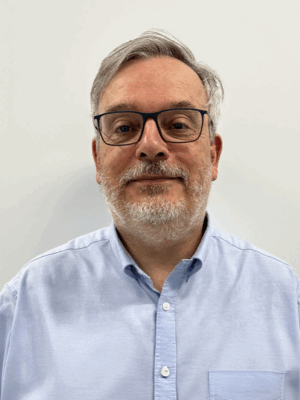
Nigel Scrutton
C3 Biotech
Nigel Scrutton is the Chief Scientific Officer and Co-Founder of C3 Biotech.
Nigel Scrutton
C3 Biotech
Bio
Nigel Scrutton is the Chief Scientific Officer and Co-Founder of C3 Biotech. He leads the company’s scientific strategy at the intersection of chemistry, biology, and engineering. He plays a pivotal role in shaping C3’s technology platform, driving innovation in next-generation biomanufacturing, and guiding the company’s long-term vision and global impact.
Nigel is a Fellow of the Royal Society and has served as Director of the UK Future Biomanufacturing Research Hub, which he founded in 2019. Previously, he was Director of the Manchester Institute of Biotechnology (2010–2019), during which time the Institute was awarded the Queen’s Anniversary Prize for Higher and Further Education (2018–2020) for its national leadership in biotechnology and biomanufacturing.
Nigel also advises the UK Government on the strategic development of biotechnology in both civilian and defence contexts.
-
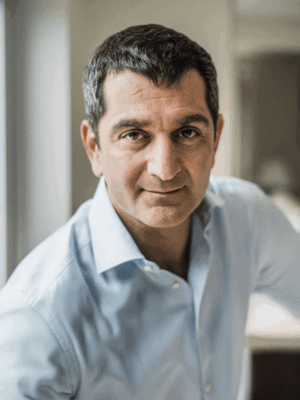
Nadav Rosenberg
Saras Capital
Nadav is the founder of Saras Capital, a tech bio micro-fund based in London.
Nadav Rosenberg
Saras Capital
Bio
Nadav Rosenberg is the founder of Saras Capital, a tech bio micro-fund based in London. Nadav established Saras Capital in 2020 after building a successful portfolio of angel investments in early-stage technology companies and spending almost a decade as a venture partner at Entrepreneur First (EF). His primary investment focus is providing first-check backing to ambitious scientists turned tech bio entrepreneurs.
Before becoming an investor, Nadav held key operational roles at Groupon and Taboola. He was an early operator at Groupon, which went public with a valuation of $9.5 billion, and later joined Taboola as its first European employee, successfully launching its UK, France, and Germany operations before the company’s New York listing at $2.6 billion. He began his career at McKinsey & Co. and holds an MBA from INSEAD and an MSc in Economics from Birkbeck, University of London.
Saras Capital specializes in pre-seed and seed investments in computational-first scientific ventures focused on therapeutics, synthetic biology, and related technologies. The fund was an early backer of companies such as Ochre Bio, Core Biogenesis, Coding Bio, Eleven Therapeutics, Kyron Bio, and many more.
Coffee Break
The Large Industry Perspective: Driving adoption, investment and growth at scale.
-
Lionel Clarke
BionerG Ltd
Director, BionerG Ltd and Former Co-Chairman, UK Engineering Biology Leadership Council
Lionel Clarke
BionerG Ltd
Bio
Following academic research in Imperial College, in Cambridge University and in Grenoble, France (as a Royal Society European Research Fellow), Lionel Clarke began his career developing environmentally-improved transport fuels with Shell, initially as global technical lead pioneering the global phase-out of leaded gasoline and, from 2000, the development of advanced biofuels as a means to reduce dependence upon fossil fuels. Motivated by the urgency to develop effective solutions to tackle climate change and the central role that biological systems could play, he left Shell in 2014 to start his own company, BionerG, developing a biobased system for global carbon removal. He was invited by the UK government in 2011 to chair the generation of the UK Synthetic Biology Roadmap, and subsequently to co-chair together with a senior government minister the UK’s Engineering Biology Leadership Council (EBLC), an independent advisory council, through to 2023.
Lionel Clarke is a visiting professor in the Department of Bioengineering in Imperial College and holds an honorary professorial chair in the Faculty of Chemistry in the University of Manchester. In 2019 he was awarded an OBE by HM Queen Elizabeth for services to Synthetic Biology.
-
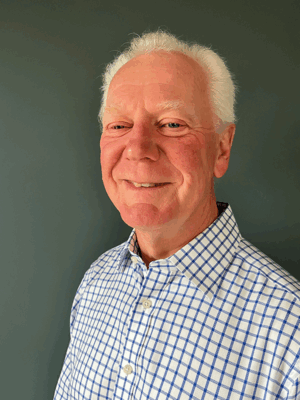
David Tew
GSK
David Tew
GSK
Bio
David Tew recently retired from GSK where he was a Senior Scientific Director. David has 35 years of experience in the pharmaceutical industry from early drug discovery through to drug development and the application of Synthetic Biology. Most recently David led a project to apply Synthetic Biology to redesign the manufacture of therapeutic oligonucleotides. This has resulted in a platform approach to therapeutic oligonucleotide synthesis and manufacture that is both scalable and more sustainable than current approaches.
In 2018 David was appointed as The Royal Society Entrepreneur in Residence at Bristol University working with BrisSynBio and the Bristol Biodesign Institute. David held this position until 2022.
During the SARS-CoV-2 pandemic, David lead the innovation workstream for the Cambridge COVID-19 Testing Centre, a collaboration between AstraZeneca, GlaxoSmithKline and the University of Cambridge.
Synbio Unplugged
-
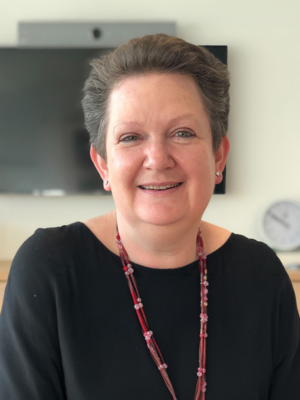
Dame Tamara Finkelstein
Royal Academy of Engineering
Dame Tamara Finkelstein is the Chief Executive of the Royal Academy of Engineering
Dame Tamara Finkelstein
Royal Academy of Engineering
Bio
Dame Tamara Finkelstein is the Chief Executive of the Royal Academy of Engineering. She studied engineering and economics before starting her career as an economist in HM Treasury. Her career in government included leadership roles in Sure Start, Adult Social Care and the Building Safety Programme in the wake of the Grenfell Tower fire. Before joining the Academy in 2026 she spent six years as the Permanent Secretary at the Department of Environment, Food and Rural Affairs having previously led the department’s work on EU Exit Delivery. As Head of the Government Policy Profession she worked closely with the Academy on the Policy Fellowships Programme. Tamara is a trustee of a number of community and social care charities.