
2026 Event Programme
Programme is subject to change
Registration and Coffee
Welcome
-
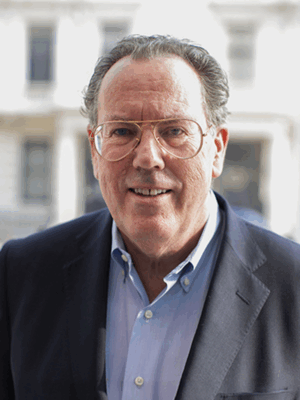
Richard Kitney
SynbiCITE
Richard is the Chairman of the Institute of Systems and Synthetic Biology; and Co-director of the EPSRC National Centre for Synthetic Biology and Innovation
Richard Kitney
SynbiCITE
Bio
Richard Kitney is Professor of Biomedical Systems Engineering; Chairman of the Institute of Systems and Synthetic Biology; and Co-director of the EPSRC National Centre for Synthetic Biology and Innovation. He was Founding Head of the Department of Bioengineering, Dean of the Faculty of Engineering.
He Chaired The Royal Academy of Engineering Inquiry into Synthetic Biology http://www.raeng.org.uk/publications/reports/synthetic-biology-report . Kitney is a member of the Ministerial Leadership Council for Synthetic Biology and was one of the main authors of the UK Roadmap for Synthetic Biology http://www.rcuk.ac.uk/RCUK-prod/assets/documents/publications/SyntheticBiologyRoadmap.pdf.
Richard is recognised as a leading research worker in the field of synthetic biology and, with Professor Paul Freemont, has been responsible for developing the Imperial College Hub for Synthetic Biology which is now recognised as one of the leading international centres in the field.
In 2013, they were successful in winning the national competition to establish the UK national industrial translation centre for synthetic biology – SynbiCITE.
Richard has published over 300 papers in the fields of synthetic biology, mathematical modelling, biomedical information systems, and medical imaging and has worked extensively in and with industry.
Kitney was made a Fellow of the World Technology Network in 1999 for his innovative work in the fields of health and medicine. He was made an Academician of the International Academy of BioMedical Engineering in September 2003 (this is the highest honour bestowed by the International Federation of BioMedical Engineering Societies). He is also a Fellow of AIMBE, the America Academy of BioMedical Engineering.
In 2006 he was made an Honorary Fellow of both The Royal College of Physicians and The Royal College of Surgeons. In June 2001, Professor Kitney was awarded The Order of the British Empire (OBE) in the Queen’s Birthday Honours List for services to Information Technology in Biomedicine.
-

Paul Freemont
SynbiCITE
Paul has been working at the forefront of international synthetic biology developments since 2002 and has played a key role in developing from the outset the UK strategy for synthetic biology research, innovation and training.
Paul Freemont
SynbiCITE
Bio
Paul has been working at the forefront of international synthetic biology developments since 2002 and has played a key role in developing from the outset the UK strategy for synthetic biology research, innovation and training.
A leading figure in synthetic biology, he has played a key part in the development of synthetic biology in the UK and was a co-author of the British Government’s UK Synthetic Biology Roadmap. Paul has been a passionate advocate for synthetic biology research and translation both in Europe and internationally and has participated as a technical expert in the United Nations Convention for Biological Diversity and Biological Weapons Convention. He is also a working group member of the US NIST synthetic biology standards consortium.
Paul’s research interests span from understanding the molecular mechanisms of human diseases and infection to the development of synthetic biology platform technologies and biosensors and he is the author of over 170 peer-reviewed scientific publications. He gives many lectures both at international scientific meetings and also public lecture – the most recent being the Ellison-Cliffe medal lecture at the Royal Society of Medicine.
Paul co-founded and co-directs the UK’s first academic research centre for synthetic biology at Imperial College London (CSynBI) and the first R&D centre for synthetic biology SynbiCITE.
Paul is also very active in public engagement including numerous public debates – the most recent at the Royal Institution and public displays including at the Science Museum and the first ‘pop-up’ lab at the Victoria and Albert museum. He is also an advocate for training young people and talks regularly at schools and and has successfully co-supervised Imperial undergraduate iGEM teams since 2006.
The Industrial Strategy and Engineering Biology: How the UK Government is strengthening our ecosystem
-
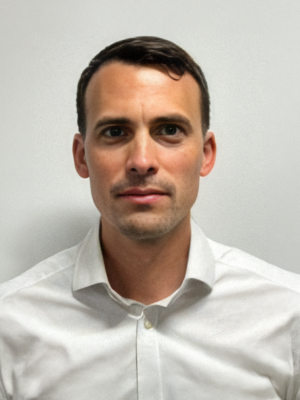
Tom Child
Department for Business, Innovation, Science and Trade
Tom Child brings more than 20 years of experience across science, innovation and industry, with a career spanning emerging technologies, major programme delivery, regulation and international science collaboration.
Tom Child
Department for Business, Innovation, Science and Trade
Bio
Tom Child brings more than 20 years of experience across science, innovation and industry, with a career spanning emerging technologies, major programme delivery, regulation and international science collaboration. Most recently, he spent five years as CEO of the Offshore Petroleum Regulator for Environment and Decommissioning, leading a 120-strong directorate delivering complex and high-profile regulation across oil, gas and carbon storage. Before that, Tom was Director for Business Growth in BEIS, where his portfolio included emerging technologies such as quantum and the Office for AI. He has also served as Deputy Director for Global Research and Innovation, overseeing a £2 billion international science portfolio.
Synthetic Biology Innovation in the Race for Sustainable, Secure and Resilient Production
-
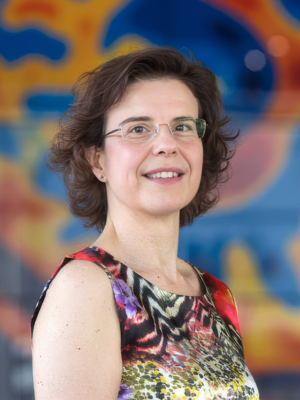
Anna Korre
Imperial College London
Associate Provost (Sustainability) and Professor of Environmental Engineering at Imperial College
Anna Korre
Imperial College London
Bio
As the Associate Provost (Sustainability) and Professor of Environmental Engineering at Imperial College, Anna Korre’s research expertise is in the areas of modelling risk and uncertainty and the environmental and life cycle assessment (LCA) of engineering systems. She has led and directed numerous industry, UKRI and EU funded projects. A strong EDI advocate, Anna’s podcast for Life Scientific on “Capturing carbon dioxide and defying expectations” can be found at https://www.bbc.co.uk/programmes/m00237pc.
Same Same but Different – Industrial bioeconomy in Germany in a global context
-
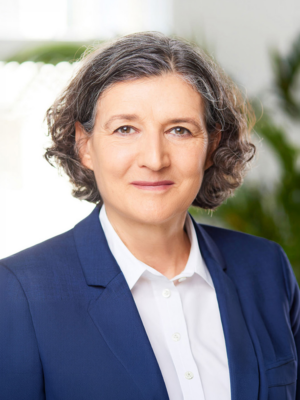
Viola Bronsema
BIO Deutschland e. V.
Viola Bronsema has been managing director of the German Biotechnology Industry Association (BIO Deutschland e. V.) in Berlin since October 2006.
Viola Bronsema
BIO Deutschland e. V.
Bio
Viola Bronsema has been managing director of the German Biotechnology Industry Association (BIO Deutschland e. V.) in Berlin since October 2006. She has been a member of the jury for the Research Campus Program since 2021. From 2020 to 2023, she was also a member of the German Federal Government’s Bioeconomy Council, and from 2021 to 2025, she was a member of the Federal Ministry of Education and Research’s Council for Technological Sovereignty.
Previously, she headed communications at Roche Diagnostics GmbH and Roche Diagnostics Europe, Middle East, Africa from 2002 to 2006, and was press spokesperson for Lilly Pharma Holding GmbH from 2000 to 2002. From 1998 to 2000, she worked as a press spokesperson and editor in the press and public relations department of the German Cancer Research Center (DKFZ) in Heidelberg. From 1995 to 1998, she was a public relations consultant at CGC Cramer-Gesundheits-Consulting, Frankfurt, most recently as a senior consultant. She began her professional career in 1989 as a research assistant at the Center for Molecular Biology in Heidelberg.
Viola Bronsema studied biology at the Universities of Mainz and Heidelberg and completed her dissertation at the Center for Molecular Biology in Heidelberg. She also trained as a certified public relations consultant at Initiative Communication e. V. in Heidelberg.
Climate Mitigation
This session will feature a 20-minute plenary session followed by a 40-minute panel session with a focus on sustainable futures.
Climate Mitigation: Plenary
-
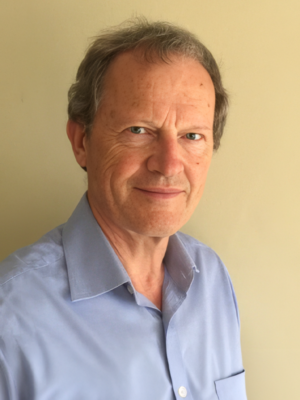
Lionel Clarke
BionerG Ltd
Director, BionerG Ltd and Former Co-Chairman, UK Engineering Biology Leadership Council
Lionel Clarke
BionerG Ltd
Bio
Following academic research in Imperial College, in Cambridge University and in Grenoble, France (as a Royal Society European Research Fellow), Lionel Clarke began his career developing environmentally-improved transport fuels with Shell, initially as global technical lead pioneering the global phase-out of leaded gasoline and, from 2000, the development of advanced biofuels as a means to reduce dependence upon fossil fuels. Motivated by the urgency to develop effective solutions to tackle climate change and the central role that biological systems could play, he left Shell in 2014 to start his own company, BionerG, developing a biobased system for global carbon removal. He was invited by the UK government in 2011 to chair the generation of the UK Synthetic Biology Roadmap, and subsequently to co-chair together with a senior government minister the UK’s Engineering Biology Leadership Council (EBLC), an independent advisory council, through to 2023.
Lionel Clarke is a visiting professor in the Department of Bioengineering in Imperial College and holds an honorary professorial chair in the Faculty of Chemistry in the University of Manchester. In 2019 he was awarded an OBE by HM Queen Elizabeth for services to Synthetic Biology.
Climate Mitigation: Panel
-
Moderator
Lionel Clarke
BionerG Ltd
Director, BionerG Ltd and Former Co-Chairman, UK Engineering Biology Leadership Council
Lionel Clarke
BionerG Ltd
Bio
Following academic research in Imperial College, in Cambridge University and in Grenoble, France (as a Royal Society European Research Fellow), Lionel Clarke began his career developing environmentally-improved transport fuels with Shell, initially as global technical lead pioneering the global phase-out of leaded gasoline and, from 2000, the development of advanced biofuels as a means to reduce dependence upon fossil fuels. Motivated by the urgency to develop effective solutions to tackle climate change and the central role that biological systems could play, he left Shell in 2014 to start his own company, BionerG, developing a biobased system for global carbon removal. He was invited by the UK government in 2011 to chair the generation of the UK Synthetic Biology Roadmap, and subsequently to co-chair together with a senior government minister the UK’s Engineering Biology Leadership Council (EBLC), an independent advisory council, through to 2023.
Lionel Clarke is a visiting professor in the Department of Bioengineering in Imperial College and holds an honorary professorial chair in the Faculty of Chemistry in the University of Manchester. In 2019 he was awarded an OBE by HM Queen Elizabeth for services to Synthetic Biology.
-
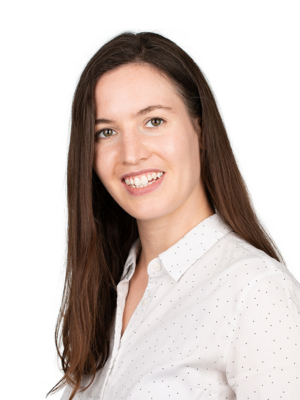
Linda Bedenik
BIA
Linda is the Head of Biosolutions & International Policy at the BIABio
Linda joined the BIA in 2021 to lead on engineering biology, biosecurity, IP and international policy. She works closely with the BIA’s Engineering Biology Advisory Committee (EBAC) to shape UK policy in the field, with a focus on commercialisation challenges across regulation, finance, and infrastructure, and engineering biology’s potential as a disruptive biotechnology towards global sustainability. She sits on the UK Government’s Engineering Biology Responsible Innovation Advisory Panel (RIAP). Linda has an MA in Global Political Economy from the University of Sussex.
-
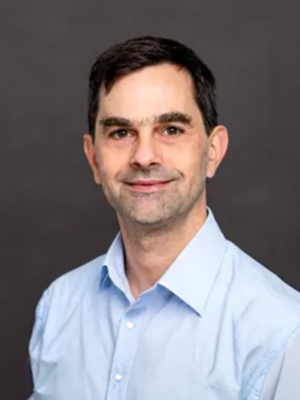
Antonis Papachristodoulou
University of Oxford
Antonis Papachristodoulou is a Professor of Control Engineering, University of Oxford and a Fellow at Kellogg CollegeBio
I joined the University of Oxford in 2006, where I am currently the Statutory Professor in Control Engineering and a Fellow of Kellogg College. I was previously a tutorial fellow at Worcester College, EPSRC Fellow and Director of the EPSRC & BBSRC Centre for Doctoral training in Synthetic Biology.
I obtained an MA/MEng degree in Electrical and Information Sciences from the University of Cambridge, U.K., as a member of Robinson College in 2000. In 2005 I completed a PhD in Control and Dynamical Systems at the California Institute of Technology, with a PhD Minor in Aeronautics.
My thesis was on “Scalable Analysis of Nonlinear Systems Using Convex Optimization”. In 2005 I held a short David Crighton Fellowship at the University of Cambridge and a postdoctoral fellowship at the California Institute of Technology. In 2015 I was awarded the European Control Award for my contributions to robustness analysis and applications to networked control systems and systems biology and the O. Hugo Schuck Best Paper Award.
I am an IEEE Fellow for my contributions to the analysis and design of networked control systems. I serve regularly on Technical Programme Committees for conferences and was associate editor for Automatica and IEEE Transactions on Automatic Control.
I served as Programme co-chair for the 2024 European Control Conference and co-chair for the 2024 Learning for Decision and Control.
Coffee Break
Scaling Success
The presenters for this panel are all senior members of successful developing companies. They will each give an introduction to their company’s journey. This will be followed by a discussion on the key lessons learnt during the development of their companies and how the industrial translation process from lab to company can be improved.
-
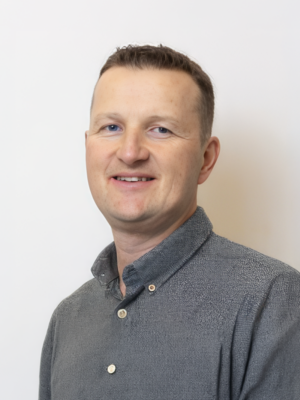
David Sheppard
HotHouse Therapeutics
David Sheppard is the CEO of HotHouse Therapeutics.Bio
David Sheppard is the CEO of HotHouse Therapeutics.
HotHouse Therapeutics transforms plants into sustainable biofactories guided by AI, creating complex molecules beyond the reach of conventional labs.
-
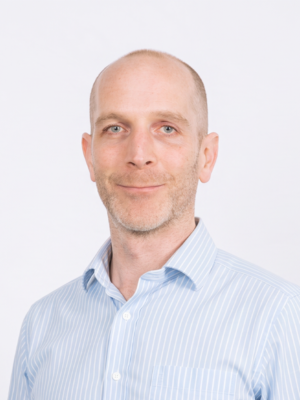
Dara Henry
Prokarium
Dara Henry, PhD, is currently COO at Prokarium, a pioneering clinical stage biotech company leveraging synthetic biology to create next generation bacterial immunotherapies.
Dara Henry
Prokarium
Bio
Dara Henry, PhD, is currently COO at Prokarium, a pioneering clinical stage biotech company leveraging synthetic biology to create next generation bacterial immunotherapies. This is a new class of immunotherapy designed to deliver a broad and durable immune response with the potential to treat a wide range of different cancers. Prokarium’s lead program, ZH9, has recently completed Phase 1 clinical trials in the US as a treatment for non-muscle invasive bladder cancer (NMIBC).
Dara has over 25 years of experience in the life sciences sector spanning Biotech, large Pharma and investment banking. He was previously Entrepreneur-in-Residence at Evotec and Head of Operations and Business Development at Achilles Therapeutics. He has worked for several big Pharma companies, including Novartis, Sanofi and GSK, where he oversaw the latter’s pipeline of drugs in Immunoinflammation. Prior to that Dara was an equity research analyst in a top ranked team at Credit Suisse covering European biotech. He holds a Masters of Natural Sciences and a PhD in organic chemistry both from Cambridge University, UK.
Twist Bioscience – DNA Synthesis and Protein Solutions
-

Jess Simpson
Twist Bioscience
Jess is an Account Manager for DNA Synthesis and Protein Solutions at Twist Bioscience,Bio
Jess is an Account Manager for DNA Synthesis and Protein Solutions at Twist Bioscience, helping research teams integrate advanced DNA synthesis into AI-driven drug discovery and protein engineering workflows. Based in London, she supports partners across London, Cambridge, and Scotland, bridging the gap between computational design and physical validation. Jess is particularly passionate about empowering start-ups and biotech innovators to leverage Twist’s silicon-based platform to scale their data-driven biological research, transforming AI-generated designs into high-quality, actionable results.
Lunch
Keynote: Synthetic Biology – The state of play and the vision, both academically and industrial
Introduced by:
-
Paul Freemont
SynbiCITE
Paul has been working at the forefront of international synthetic biology developments since 2002 and has played a key role in developing from the outset the UK strategy for synthetic biology research, innovation and training.
Paul Freemont
SynbiCITE
Bio
Paul has been working at the forefront of international synthetic biology developments since 2002 and has played a key role in developing from the outset the UK strategy for synthetic biology research, innovation and training.
A leading figure in synthetic biology, he has played a key part in the development of synthetic biology in the UK and was a co-author of the British Government’s UK Synthetic Biology Roadmap. Paul has been a passionate advocate for synthetic biology research and translation both in Europe and internationally and has participated as a technical expert in the United Nations Convention for Biological Diversity and Biological Weapons Convention. He is also a working group member of the US NIST synthetic biology standards consortium.
Paul’s research interests span from understanding the molecular mechanisms of human diseases and infection to the development of synthetic biology platform technologies and biosensors and he is the author of over 170 peer-reviewed scientific publications. He gives many lectures both at international scientific meetings and also public lecture – the most recent being the Ellison-Cliffe medal lecture at the Royal Society of Medicine.
Paul co-founded and co-directs the UK’s first academic research centre for synthetic biology at Imperial College London (CSynBI) and the first R&D centre for synthetic biology SynbiCITE.
Paul is also very active in public engagement including numerous public debates – the most recent at the Royal Institution and public displays including at the Science Museum and the first ‘pop-up’ lab at the Victoria and Albert museum. He is also an advocate for training young people and talks regularly at schools and and has successfully co-supervised Imperial undergraduate iGEM teams since 2006.
Featuring:
-
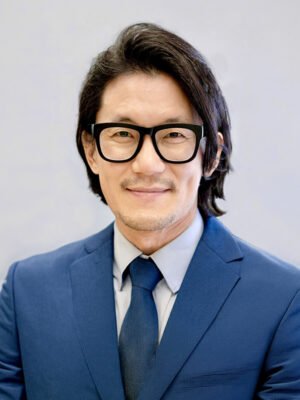
Matthew Chang
National Centre for Engineering Biology, Singapore (NCEB)
Matthew Chang is Executive Director of the National Centre for Engineering Biology, Singapore (NCEB) and Director of the SINERGY, Singapore Consortium for Synthetic Biology
Matthew Chang
National Centre for Engineering Biology, Singapore (NCEB)
Bio
Matthew Chang is Executive Director of the National Centre for Engineering Biology, Singapore (NCEB) and Director of the SINERGY, Singapore Consortium for Synthetic Biology. He is Provost’s Chair Professor at the National University of Singapore (NUS), co-founded the Asian Synthetic Biology Association ASBA and the Global Biofoundry Alliance (GBA), and co-chairs the World Economic Forum’s (WEF) Global Future Council on Generative Biology.
Engineering Biology shaping the Bioeconomy – UK
-
Moderator
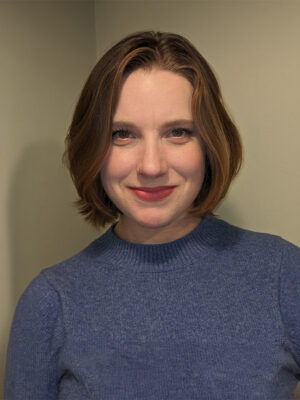
Fiona Mischel
Holiferm
Fiona is the Associate Director of Strategic Development at Holiferm
Fiona Mischel
Holiferm
Bio
Fiona is the Associate Director of Strategic Development at Holiferm, a commercial-scale UK biochemicals company. Her work focuses on business development, strategic partnerships, and developing compelling narratives to illustrate the transformative impact of the bioeconomy. She also has expertise in global bioeconomy policy and collaboration. Fiona began her career in science communication, and she previously worked as the Director of International Outreach for SynBioBeta. She was also a member of the OECD’s Expert Focus Group on Synthetic Biology.
-
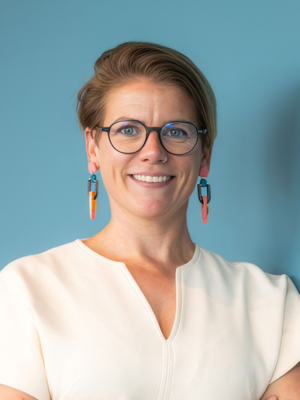
Jen Vanderhoven
BBIA
Jen is the COO of the BBIA, and runs her own successful consultancy, FREY, which provides expert advice in business development for the biotech sector.
Jen Vanderhoven
BBIA
Bio
Jen graduated from The University of Sheffield, with a first-class Masters of Biological Sciences in 2004 and a PhD in Biochemistry in 2007. With a 20-plus year progressive career in biotechnology, spanning both higher education and the commercial sector, Jen has held roles in research and development, sales and marketing, business development, and business change and transformation. Jen is currently the COO of the BBIA, and runs her own successful consultancy, FREY, which provides expert advice in business development, fundraising, stakeholder engagement, strategic partnerships, policy development, marketing & communications and project management for the biotech sector.
-
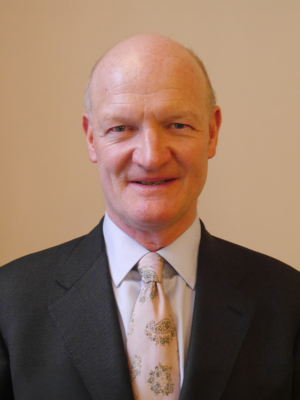
Lord David Willetts
Regulatory Innovation Office
Lord Willetts is Chair of the Regulatory Innovation Office
Lord David Willetts
Regulatory Innovation Office
Bio
The Rt Hon Lord Willetts FRS is the President of the Resolution Foundation. He is Chair of the Regulatory Innovation Office and of SaxaVord Spaceport . He is Chair of the Foundation for Science and Technology and a visiting professor at King’s College, London. He served as the Member of Parliament for Havant (1992-2015), as Minister for Universities and Science (2010-2014) and previously worked at HM Treasury and the No. 10 Policy Unit.
Lord Willetts has written widely on economic and social policy. His book “A University Education” is published by Oxford University Press. A second edition of his book “The Pinch” on fairness between the generations was published in 2019.
-
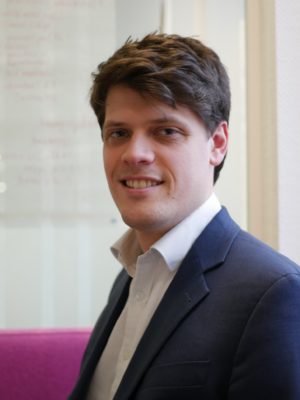
Mark Renshaw
Department for Science, Innovation and Technology
Mark Renshaw is the Co-head of Engineering Biology at Department for Science, Innovation and Technology.
Mark Renshaw
Department for Science, Innovation and Technology
Bio
Mark Renshaw is the Co-head of Engineering Biology at Department for Science, Innovation and Technology. Mark co-leads the BIST Engineering Biology Team, focusing on the growth agenda. He has responsibility across R&D, infrastructure, regulation, skills, business finance and international activity for EB. He has worked on EB since 2021. A civil servant who has a career focus on science and technology policy, prior to this role he worked in the Government Office for Science, on ‘deep tech’ innovation, on EU Exit, on the establishment of UK Research & Innovation, and on the Newton Fund. He has a PhD in Experimental Psychology from the University of Cambridge.
Accelerating the Design-Build-Test Cycle
-
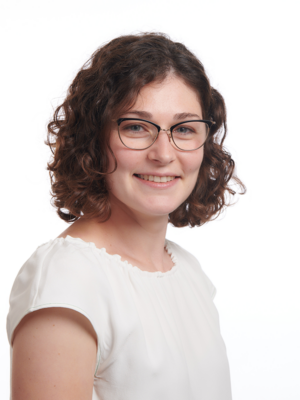
Marina Podpolny
New England Biolabs (NEB)
Marina Podpolny is a Technical Account Manager at New England Biolabs (NEB)Bio
Marina Podpolny is a Technical Account Manager at New England Biolabs (NEB), supporting researchers and biotechnology companies across London. With a background in molecular biology, she works with scientists across academia and industry, providing technical support and helping them keep up to date with new developments in synthetic biology, cloning, genome engineering and next-generation sequencing. She is passionate about helping researchers overcome experimental challenges and connecting them with the expertise, resources and technologies that best support their work.
Beckman Coulter Life Sciences
-

Aya Tarabeine
Beckman Coulter
Aya Tarabeine is Business Development Manager for Europe & the UK at Beckman Coulter Life SciencesBio
Aya Tarabeine is Business Development Manager for Europe & the UK at Beckman Coulter Life Sciences, where she represents the BioLector microbioreactor portfolio across the UK. She works closely with biotechnology, pharmaceutical, academic and biomanufacturing teams to translate high-throughput screening and automation into scalable process-development strategies. Before joining Beckman Coulter, Aya spent three years at Sartorius supporting bioprocessing technologies across the UK life-sciences sector.
Company Presentations
In this fast-paced session, emerging companies take the stage to showcase how they are transforming ideas into impactful SynBio ventures. Each startup will deliver a five-minute talk, offering a snapshot of the innovation, ambition and commercial potential driving the next generation of engineering biology.
-
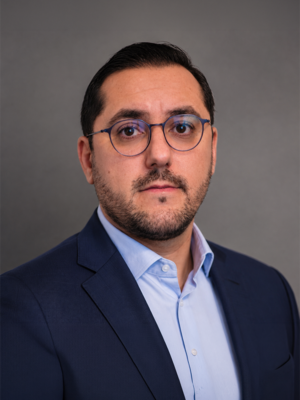
Giovanni Stracquadanio
ZYTHERA
Giovanni is a Professor of Engineering Biology, an EPSRC fellow, and Co-director of the Edinburgh Genome Foundry (EGF) at the University of Edinburgh and is co-founder and CEO of ZYTHERA
Giovanni Stracquadanio
ZYTHERA
Bio
Giovanni Stracquadanio is Professor of Engineering Biology at the University of Edinburgh and founder and CEO of Zythera, a preclinical company developing next-generation enzyme replacement therapies for rare lysosomal storage disorders, with Fabry disease as its lead indication. His work spans AI-driven protein design and quantitative experimental biology, aiming to deliver better therapies to patients with rare diseases.
-
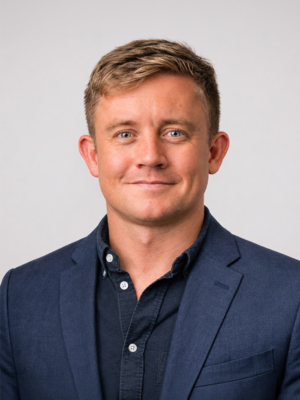
Sam Cooper
Engitix Therapeutics
Sam Cooper leads Data Science & Machine Learning at Engitix Therapeutics, where he applies AI to target discovery in fibrosis and cancer.
Sam Cooper
Engitix Therapeutics
Bio
Sam Cooper leads Data Science & Machine Learning at Engitix Therapeutics, where he applies AI to target discovery in fibrosis and cancer. Before Engitix, he founded Phenomic, which used deep learning on single-cell RNA data to identify a novel target, with T-cell engagers against it now entering Phase 1 trials. He holds a PhD from Imperial College London, where he developed AI/ML methods for image-based drug screens with Prof Robert Glen and Dr Chris Bakal.
-
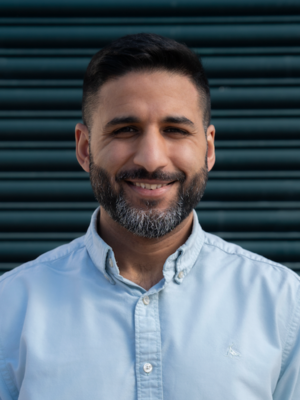
Satnam Surae
twig
Satnam is CTO and co-founder of twig bio, a venture-backed AI-native synthetic biology start-up, founded in 2022.Bio
Satnam is CTO and co-founder of twig bio, a venture-backed AI-native synthetic biology start-up, founded in 2022. At twig, he leads the development of our foundation model for biomanufacturing, Canopy, data engineering and lab automation. Prior to twig, he led product management for machine learning and AI enterprise software platforms at Peak AI (Softbank-backed, member of the Product Leadership Group) and Aigenpulse (1st employee, Chief Product Officer, board director), and worked in the sustainability group for chemicals company, Invista. At Invista, he pioneered the development of ML algorithms in protein engineering for the sustainable, bio-based production of nylon monomers which contributed to a successful-granted patent application. Satnam holds a PhD in Computational Structural Biology from University College Dublin, an MRes in Computational Biology from University of York/University of California at San Diego, and a BSc in Biochemistry from the University of York.
-
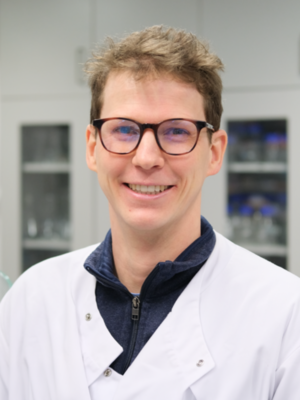
Michael Crone
Full Circle Labs
Dr Michael Crone is Founder and CEO of Full Circle Labs (FCL), a scientist-led DNA and RNA sequencing company based in London.Bio
Dr Michael Crone is Founder and CEO of Full Circle Labs (FCL), a scientist-led DNA and RNA sequencing company based in London. FCL is bootstrapped and profitable, serving more than 1,000 researchers across UK universities, biotech companies and pharma. It is an Oxford Nanopore Service Provider, operates a quality management system aligned to ISO 17025 and was the first biotech services company globally to become a certified B Corp. Michael holds a PhD in Synthetic Biology from Imperial and an MBBCh from the University of the Witwatersrand in Johannesburg. Before FCL, he scaled SARS-CoV-2 RT-qPCR testing to around 2 million tests as a part of Imperial College London’s staff and student testing and Imperial College Healthcare NHS Trust’s frontline patient and staff testing. His work focuses on building open, mission-aligned scientific infrastructure.
-
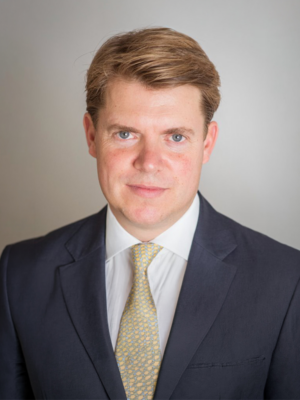
Fredrik Adams
Firglas
Founder CEO at Firglas
Fredrik Adams
Firglas
Bio
Fredrik Adams has built businesses in microalgae and renewable energy for which he has raised more than £125m. He previously spent ten years in technology venture capital.
Firglas has commercial scale algae cultivation to provide food-grade nutritional material for premium applications in aquaculture and to supply raw materials for ingredients and pharmaceuticals.
Think Bigger, Design More Complex: IDT & Ansa Make It Possible
-
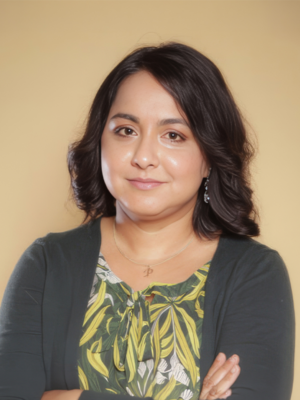
Paromita Majumder
Integrated DNA Technologies
Paromita Majumder, PhD looks after IDT customers across London as a Sales Territory Manager, supporting customers across NGS, primers, modified oligos, ASOs, RNAi, and CRISPR, with a particular focus on synthetic biology.Bio
Paromita Majumder, PhD looks after IDT customers across London as a Sales Territory Manager, supporting customers across NGS, primers, modified oligos, ASOs, RNAi, and CRISPR, with a particular focus on synthetic biology. With an MSc, PhD, and 10 years of international postdoctoral experience, she brings a proven track record in the biotechnology and synthetic biology sectors. She is adept at bridging the gap between cutting-edge scientific R&D and commercial growth, with extensive experience in gene therapy, antibody discovery, and genomics.
Coffee Break
Engineering Biology Shaping the Bioeconomy
This session will feature a 20-minute plenary session with a focus on EU policy followed by a 40-minute panel session.
Engineering Biology shaping the Bioeconomy – EU: Plenary
-
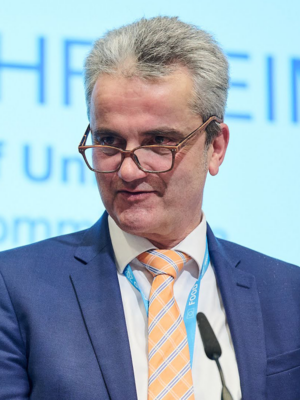
Peter Wehrheim
European Commission
Peter Wehrheim is Head of Unit for “Bioeconomy and Food System” within the Directorate General for Research and Innovation of the European Commission in Brussels.
Peter Wehrheim
European Commission
Bio
Peter Wehrheim is Head of Unit for “Bioeconomy and Food System” within the Directorate General for Research and Innovation of the European Commission in Brussels.
Prior to this assignment, he worked for the European Commissioner for Agriculture and Rural Development, Phil Hogan. He is a member of the International Advisory Council to the Global Bioeconomy (IACGB). From 2010 to 2018 he was Head of Unit for Land Use and Climate Finance in Directorate-General for Climate Action.
Before 2004, Peter worked at the Universities of Bonn/DE, Maryland/US (with a Heisenberg scholarship of the German Research Foundation) and Kiel/DE. Between 1994 and 2004 he worked as a part-time consultant for the World Bank, Food and Agricultural Organization (FAO), the International Food Policy Research Institute (IFPRI / Washington), the German Bank for Reconstruction (KfW) and other development agencies. He received his doctoral degree (and his habilitation) in agricultural economics from the University of Giessen (University of Bonn, Germany) and comes from a vinery in southern Germany.
Engineering Biology shaping the Bioeconomy – EU : Panel
-
Moderator
Richard Kitney
SynbiCITE
Richard is the Chairman of the Institute of Systems and Synthetic Biology; and Co-director of the EPSRC National Centre for Synthetic Biology and Innovation
Richard Kitney
SynbiCITE
Bio
Richard Kitney is Professor of Biomedical Systems Engineering; Chairman of the Institute of Systems and Synthetic Biology; and Co-director of the EPSRC National Centre for Synthetic Biology and Innovation. He was Founding Head of the Department of Bioengineering, Dean of the Faculty of Engineering.
He Chaired The Royal Academy of Engineering Inquiry into Synthetic Biology http://www.raeng.org.uk/publications/reports/synthetic-biology-report . Kitney is a member of the Ministerial Leadership Council for Synthetic Biology and was one of the main authors of the UK Roadmap for Synthetic Biology http://www.rcuk.ac.uk/RCUK-prod/assets/documents/publications/SyntheticBiologyRoadmap.pdf.
Richard is recognised as a leading research worker in the field of synthetic biology and, with Professor Paul Freemont, has been responsible for developing the Imperial College Hub for Synthetic Biology which is now recognised as one of the leading international centres in the field.
In 2013, they were successful in winning the national competition to establish the UK national industrial translation centre for synthetic biology – SynbiCITE.
Richard has published over 300 papers in the fields of synthetic biology, mathematical modelling, biomedical information systems, and medical imaging and has worked extensively in and with industry.
Kitney was made a Fellow of the World Technology Network in 1999 for his innovative work in the fields of health and medicine. He was made an Academician of the International Academy of BioMedical Engineering in September 2003 (this is the highest honour bestowed by the International Federation of BioMedical Engineering Societies). He is also a Fellow of AIMBE, the America Academy of BioMedical Engineering.
In 2006 he was made an Honorary Fellow of both The Royal College of Physicians and The Royal College of Surgeons. In June 2001, Professor Kitney was awarded The Order of the British Empire (OBE) in the Queen’s Birthday Honours List for services to Information Technology in Biomedicine.
Featuring:
-
Peter Wehrheim
European Commission
Peter Wehrheim is Head of Unit for “Bioeconomy and Food System” within the Directorate General for Research and Innovation of the European Commission in Brussels.
Peter Wehrheim
European Commission
Bio
Peter Wehrheim is Head of Unit for “Bioeconomy and Food System” within the Directorate General for Research and Innovation of the European Commission in Brussels.
Prior to this assignment, he worked for the European Commissioner for Agriculture and Rural Development, Phil Hogan. He is a member of the International Advisory Council to the Global Bioeconomy (IACGB). From 2010 to 2018 he was Head of Unit for Land Use and Climate Finance in Directorate-General for Climate Action.
Before 2004, Peter worked at the Universities of Bonn/DE, Maryland/US (with a Heisenberg scholarship of the German Research Foundation) and Kiel/DE. Between 1994 and 2004 he worked as a part-time consultant for the World Bank, Food and Agricultural Organization (FAO), the International Food Policy Research Institute (IFPRI / Washington), the German Bank for Reconstruction (KfW) and other development agencies. He received his doctoral degree (and his habilitation) in agricultural economics from the University of Giessen (University of Bonn, Germany) and comes from a vinery in southern Germany.
-
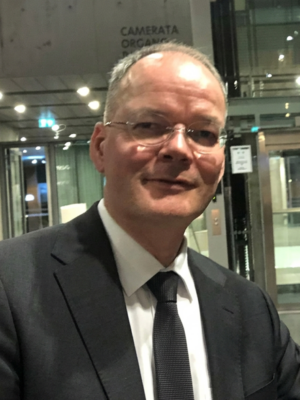
Jussi Jäntti
VTT Technical Research Centre of Finland
Jussi Jantti is a Lead in Industrial biotechnology at VTT Technical Research Centre of Finland Ltd, and an adjunct professor in biochemistry at the University of Helsinki.Bio
Jussi Jantti (PhD 1995 University of Helsinki, Finland) is a Lead in Industrial biotechnology at VTT Technical Research Centre of Finland Ltd, and an adjunct professor in biochemistry at the University of Helsinki. He is a participant in the EU-IBISBA infrastructure network, a member of the Board of the European Federation for Biotechnology, Microbial Biotechnology Division, Council member in the Engineering Biology Research Consortium (EBRC, USA), Member of Advisory Board on Biotechnology appointed by the Government of Finland, and Scientific Advisory Board member for the Estonian Biofoundry DigiBio and the B-BEST/France2030 program. Recent research has focused on the development of novel genetic engineering tools for microbes that are used in industrial biotechnology for sustainable production of a wide range of end-products.
-
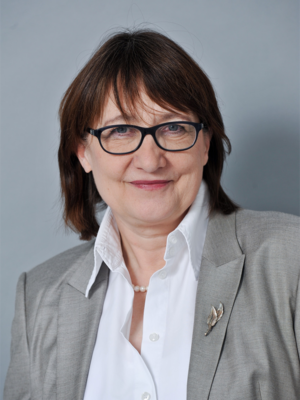
Christine Lang
Biobased Future Foundation
She is co-chair of the think tank International Global Advisary Council on Global Bioeconomy and she heads the Biobased Future Foundation.
Christine Lang
Biobased Future Foundation
Bio
Christine Lang studied biology in Bochum and Brighton. She gained her doctorate in Bochum in 1985. After working as a scientist and group leader in the chemical industry, she moved to the TU Berlin in 1993, where she completed her habilitation in microbiology and molecular genetics. She is an adjunct professor of microbiology and molecular genetics. In 2001, she founded Organobalance GmbH as a company for new microbial agents and strains. In 2016 Organobalance became part of Novozymes A/S. She has been Co-Chair of the German Federal Government’s Bioeconomy Council from 2012 to 2019. She is co-chair of the think tank International Global Advisary Council on Global Bioeconomy. She heads the Biobased Future Foundation.
-
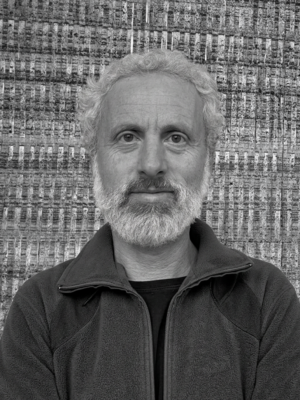
Ariel Lindner
Sorbonne University
Ariel Lindner is Director of Research at INSERM and Director of the Systems Engineering and Evolution Dynamics unit (U1338), known as the Engaged Life Science (ELiS) Lab, at Sorbonne Université. He is also co-founder and Chief Scientific Officer of the Sorbonne University’s Paris Biofoundry, France’s first academic biofoundry and one of Europe’s most advanced engineering biology platforms.
Ariel Lindner
Sorbonne University
Bio
Ariel Lindner is Director of Research at INSERM and Director of the Systems Engineering and Evolution Dynamics unit (U1338), known as the Engaged Life Science (ELiS) Lab, at Sorbonne Université. He is also co-founder and Chief Scientific Officer of the Sorbonne University’s Paris Biofoundry, France’s first academic biofoundry and one of Europe’s most advanced engineering biology platforms.
His research harnesses a fundamental understanding of evolution to engineer living systems, combining computational, systems and synthetic biology. Current work spans from studies of phase separation as synthetic organelles for sustainable bioproduction to cell-free synthesis of phages and synthetic cells. He has authored over 60 peer-reviewed publications, including in Science, Cell and Nature, is a named inventor on seven patents, and has secured over €25M in competitive funding nationally and internationally. Three start-ups were brought to life in the ELiS lab: Gourmey, Generare and BaCta.
Ariel co-founded the Learning Planet Institute in Paris, led the Paris Bettencourt iGEM team from 2007 to 2024 (World Champions in 2013) and served on the iGEM Foundation board. He coordinates the Île-de-France Bioconvergence for Health consortium, sits on the UNESCO International Bioethics Committee, and co-organiser of the SynCell Global Summit and the 2026 Global Biofoundry Alliance conference in Paris. He holds a PhD in chemical immunology from the Weizmann Institute of Science.
Metrology and Standards Infrastructure for a Thriving UK Bioeconomy – Today, tomorrow and beyond
-
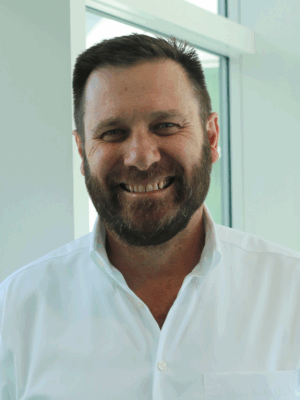
Jeff Anthony
NPL
Jeffrey leads on Engineering Biology Partnerships at the National Physical Laboratory.
Jeff Anthony
NPL
Bio
Jeffrey leads on Engineering Biology Partnerships at the National Physical Laboratory NPL having joined their Life Sciences & Health Team in 2019. His current area of focus centres on building collaborations with EngBio partners from industry, academia and the public sector to identify the ways in which NPL’s metrology expertise and capability can support research and its translation to drive growth.
Jeffrey’s technical background is in microbiology, having studied Biotechnology at the Royal Melbourne Institute of Technology. He has worked in the pharmaceutical industry in quality assurance and product development roles in Australia with CSL and was responsible for the early development of the American Type Culture Collection in Europe when working with LGC. Jeffrey has worked in reference materials development roles and he has experience with precision breeding technologies focussed on Agricultural applications having led the LGC Group’s initial launch of their genomics business in Southeast Asia. Today Jeffrey is a strong advocate for the development of industry aligned standards and metrics which can enable investment and smooth the path to growth for engineering biology companies across the UK and for the role standards can play in enabling global supply chains.
-
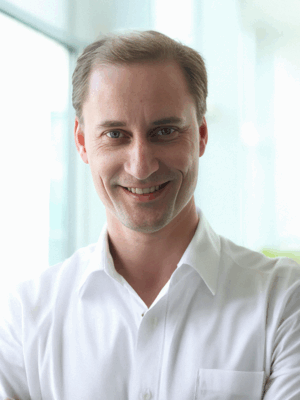
Max Ryadnov
NPL
Max Ryadnov leads Engineering Biology at NPL. He is an NPL Fellow in biometrology, Professor of biophysics, Director of the UK’s reference biofoundry and holds a PhD in Chemistry.
Max Ryadnov
NPL
Bio
Max Ryadnov leads Engineering Biology at NPL. He is an NPL Fellow in biometrology, Professor of biophysics, Director of the UK’s reference biofoundry and holds a PhD in Chemistry.
In his role Max is responsible for pre-normative research, metrology and standardisation for industry with an emphasis on sector-agnostic advanced biomanufacturing. His team has delivered 3rd party projects with over 80 UK companies engaging at different TRLs. Max collaborates extensively with research organisations, having secured a substantial grant portfolio from UKRI, ISCF, ISPF, EURAMET, STFC and industry. Max is an active member of standardisation and metrology fora under ISO, CCQM and VAMAS. He has founded and chairs a technical working area in VAMAS, which provides international leadership in standardization activities to support the uptake of engineering biology innovations to industry. His work continues to promote science beyond the lab and is regularly covered in industry-oriented publications and by the mainstream media.
Drinks Reception
Arrival and Coffee
Synthetic Biology and Biomanufacturing in Shenzhen
Introduced by:
-
Paul Freemont
SynbiCITE
Paul has been working at the forefront of international synthetic biology developments since 2002 and has played a key role in developing from the outset the UK strategy for synthetic biology research, innovation and training.
Paul Freemont
SynbiCITE
Bio
Paul has been working at the forefront of international synthetic biology developments since 2002 and has played a key role in developing from the outset the UK strategy for synthetic biology research, innovation and training.
A leading figure in synthetic biology, he has played a key part in the development of synthetic biology in the UK and was a co-author of the British Government’s UK Synthetic Biology Roadmap. Paul has been a passionate advocate for synthetic biology research and translation both in Europe and internationally and has participated as a technical expert in the United Nations Convention for Biological Diversity and Biological Weapons Convention. He is also a working group member of the US NIST synthetic biology standards consortium.
Paul’s research interests span from understanding the molecular mechanisms of human diseases and infection to the development of synthetic biology platform technologies and biosensors and he is the author of over 170 peer-reviewed scientific publications. He gives many lectures both at international scientific meetings and also public lecture – the most recent being the Ellison-Cliffe medal lecture at the Royal Society of Medicine.
Paul co-founded and co-directs the UK’s first academic research centre for synthetic biology at Imperial College London (CSynBI) and the first R&D centre for synthetic biology SynbiCITE.
Paul is also very active in public engagement including numerous public debates – the most recent at the Royal Institution and public displays including at the Science Museum and the first ‘pop-up’ lab at the Victoria and Albert museum. He is also an advocate for training young people and talks regularly at schools and and has successfully co-supervised Imperial undergraduate iGEM teams since 2006.
Featuring:
-
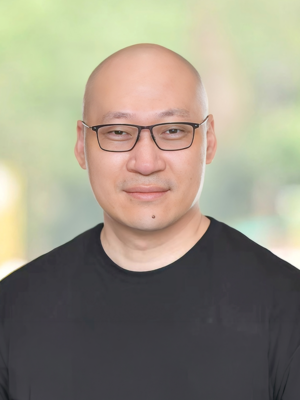
Chenli Liu
Shenzhen Institutes of Advanced Technology (SIAT)
Chenli Liu is a Pengcheng Distinguished Professor and President of Shenzhen Institutes of Advanced Technology (SIAT)
Chenli Liu
Shenzhen Institutes of Advanced Technology (SIAT)
Bio
Chenli Liu is a Pengcheng Distinguished Professor and President of Shenzhen Institutes of Advanced Technology (SIAT), Chinese Academy of Sciences, the Founding Directors of China State Key Laboratory for Quantitative Synthetic Biology, China National Industrial Innovation Center for Biomanufacturing (NIICB), and Shenzhen Institute of Synthetic Biology (iSynBio), the Chief Scientist of Shenzhen Infrastructure for Synthetic Biology, the Chief scientist of Chinese Academy of Sciences Synthetic Cell Initiative, and National Natural Science Foundation of China Basic Science Center on Synthetic Cell. Liu obtained his Ph.D. in Biochemistry from the University of Hong Kong, and postdoctoral training at MCB, Harvard University. He started his lab at SIAT in 2014. Liu lab is focused on bringing together concepts and approaches from synthetic biology together with quantitative biology. Current research interest includes synthesizing a cellular life from bottom up and engineering bacteria for solid tumor therapy. He is the recipients of several prestigious awards, e.g. “Ho Leung Ho Lee Foundation Science and Technology Award”, “Agilent Thought Leader Award”, “C.C. Tan Life Science Innovation Award”.
Engineering Biology Shaping the Bioeconomy – International Policy
-
Moderator
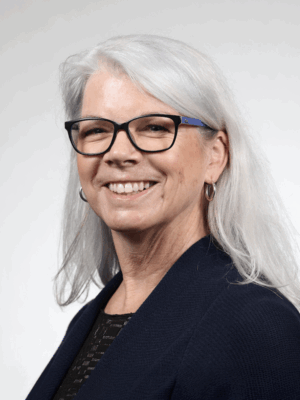
Mary Maxon
Caltech
Dr. Mary Maxon is a Visiting Associate at Caltech’s Linde Center for Science, Society, and Policy, and Chief Strategy Advisor for BEAM Circular
Mary Maxon
Caltech
Bio
Dr. Mary Maxon is a Visiting Associate at Caltech’s Linde Center for Science, Society, and Policy, and Chief Strategy Advisor for BEAM Circular.
Previously she was Executive Vice President at Carnegie Science and Executive Director of the Biosciences Institute at Schmidt Sciences. Dr. Maxon has also worked in the private sector, both in the biotechnology and pharmaceutical industries, as well as the public sector, highlighted by her tenure as the Assistant Director for Biological Research at the White House Office of Science and Technology Policy where she was the principal author of the Obama Administration’s National Bioeconomy Blueprint. She is a member of the International Advisory Council on Global Bioeconomy, and a member of the National Academies of Sciences, Engineering, and Medicine’s Standing Committee on Advances and National Security Implications of Transdisciplinary Biotechnology. Dr. Maxon is a Trustee of Carnegie Science, and a member of the Board of the Engineering Biology Research Consortium. Dr. Maxon also currently serves as a biotechnology subject matter expert for Eric Schmidt, a Commissioner on the National Security Commission on Emerging Biotechnology.
-
Matthew Chang
National Centre for Engineering Biology, Singapore (NCEB)
Matthew Chang is Executive Director of the National Centre for Engineering Biology, Singapore (NCEB) and Director of the SINERGY, Singapore Consortium for Synthetic Biology
Matthew Chang
National Centre for Engineering Biology, Singapore (NCEB)
Bio
Matthew Chang is Executive Director of the National Centre for Engineering Biology, Singapore (NCEB) and Director of the SINERGY, Singapore Consortium for Synthetic Biology. He is Provost’s Chair Professor at the National University of Singapore (NUS), co-founded the Asian Synthetic Biology Association ASBA and the Global Biofoundry Alliance (GBA), and co-chairs the World Economic Forum’s (WEF) Global Future Council on Generative Biology.
-
Chenli Liu
Shenzhen Institutes of Advanced Technology (SIAT)
Chenli Liu is a Pengcheng Distinguished Professor and President of Shenzhen Institutes of Advanced Technology (SIAT)
Chenli Liu
Shenzhen Institutes of Advanced Technology (SIAT)
Bio
Chenli Liu is a Pengcheng Distinguished Professor and President of Shenzhen Institutes of Advanced Technology (SIAT), Chinese Academy of Sciences, the Founding Directors of China State Key Laboratory for Quantitative Synthetic Biology, China National Industrial Innovation Center for Biomanufacturing (NIICB), and Shenzhen Institute of Synthetic Biology (iSynBio), the Chief Scientist of Shenzhen Infrastructure for Synthetic Biology, the Chief scientist of Chinese Academy of Sciences Synthetic Cell Initiative, and National Natural Science Foundation of China Basic Science Center on Synthetic Cell. Liu obtained his Ph.D. in Biochemistry from the University of Hong Kong, and postdoctoral training at MCB, Harvard University. He started his lab at SIAT in 2014. Liu lab is focused on bringing together concepts and approaches from synthetic biology together with quantitative biology. Current research interest includes synthesizing a cellular life from bottom up and engineering bacteria for solid tumor therapy. He is the recipients of several prestigious awards, e.g. “Ho Leung Ho Lee Foundation Science and Technology Award”, “Agilent Thought Leader Award”, “C.C. Tan Life Science Innovation Award”.
-
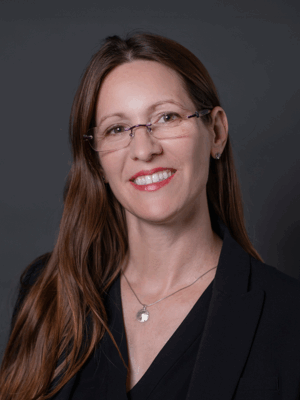
India Hook-Barnard
EBRC
India is the Executive Director at the Engineering Biology Research Consortium.
India Hook-Barnard
EBRC
Bio
Dr. India Hook-Barnard is Executive Director of the Engineering Biology Research Consortium (EBRC). She works with leaders from across academia, industry, and government sectors to identify and shape scientific opportunities, technical feasibility, and policy issues. Her goal is to advance and accelerate engineering biology solutions across all application areas, drive innovation, and grow the bioeconomy for all.
Prior to joining EBRC, India helped launch and was the Executive Director for the California Initiative to Advance Precision Medicine, and was Associate Director, Precision Medicine at the University of California, San Francisco. India worked at the U.S.National Academies of Sciences, Engineering, and Medicine (NASEM) where she directed standing committees, workshops, and six consensus reports, including Toward Precision Medicine (2011) and Industrialization of Biology (2015).
India was a postdoctoral research fellow at the National Institutes of Health, and earned her PhD in Microbiology-Medicine at the University of Missouri.
Coffee Break
Sustainable Futures: Bioplastics
Introduced by:
-
Paul Freemont
SynbiCITE
Paul has been working at the forefront of international synthetic biology developments since 2002 and has played a key role in developing from the outset the UK strategy for synthetic biology research, innovation and training.
Paul Freemont
SynbiCITE
Bio
Paul has been working at the forefront of international synthetic biology developments since 2002 and has played a key role in developing from the outset the UK strategy for synthetic biology research, innovation and training.
A leading figure in synthetic biology, he has played a key part in the development of synthetic biology in the UK and was a co-author of the British Government’s UK Synthetic Biology Roadmap. Paul has been a passionate advocate for synthetic biology research and translation both in Europe and internationally and has participated as a technical expert in the United Nations Convention for Biological Diversity and Biological Weapons Convention. He is also a working group member of the US NIST synthetic biology standards consortium.
Paul’s research interests span from understanding the molecular mechanisms of human diseases and infection to the development of synthetic biology platform technologies and biosensors and he is the author of over 170 peer-reviewed scientific publications. He gives many lectures both at international scientific meetings and also public lecture – the most recent being the Ellison-Cliffe medal lecture at the Royal Society of Medicine.
Paul co-founded and co-directs the UK’s first academic research centre for synthetic biology at Imperial College London (CSynBI) and the first R&D centre for synthetic biology SynbiCITE.
Paul is also very active in public engagement including numerous public debates – the most recent at the Royal Institution and public displays including at the Science Museum and the first ‘pop-up’ lab at the Victoria and Albert museum. He is also an advocate for training young people and talks regularly at schools and and has successfully co-supervised Imperial undergraduate iGEM teams since 2006.
Featuring:
-
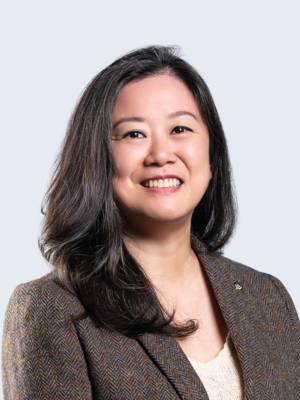
Sierin Lim
Nanyang Technological University of Singapore
Sierin Lim is an Associate Professor of Bioengineering in the School of Chemistry, Chemical Engineering and Biotechnology at Nanyang Technological University,
Sierin Lim
Nanyang Technological University of Singapore
Bio
Sierin Lim is an Associate Professor of Bioengineering in the School of Chemistry, Chemical Engineering and Biotechnology at Nanyang Technological University, Singapore (NTU). Her SLim Research group focuses on the design and engineering of proteins and microbes for applications in health and the environment. Her lab repurposes protein cages as for formulation and delivery of active molecules to the skin and to carry contrast agent for imaging atherosclerotic plaques. She leads a program in engineering enzymes and microbes to up-cycle plastic wastes to oil, cellulose, and specialty chemicals using cyanobacteria, bacteria, and yeast. She is currently co-leading CIRCBIONET: Circular Bioeconomy through Engineering Biology Network for Specialty Chemicals, a UK-Singapore joint project funded by UKRI BBSRC and National Research Foundation. She earned her B.S. and Ph.D. from University of California Los Angeles (UCLA) and served as the founding Associate Dean for Global Partnerships at the NTU Graduate College. She is a L’Oreal-UNESCO For Women in Science Singapore National Fellow.
Artificial Intelligence: Opportunity, Impact and Ownership
This session will feature three 10-minute presentations covering three distinct perspectives of how AI is transforming the engineering biology industry followed by a 25-minute panel discussion.
The New Technology Landscape
-
Laura Ellis
BBC
Laura Ellis
BBC
Bio
Laura Ellis is a technologist and journalist with a focus on disinformation, data, AI and emerging technology. She has led a number of multimedia news teams, delivered a range of innovation, and guided newsrooms through significant technology change. In her current role she takes a particular interest in ethics, personalised and automated journalism, generative AI and media provenance.
Treating Disease with AI, and What It Takes to Own the Outcome
-
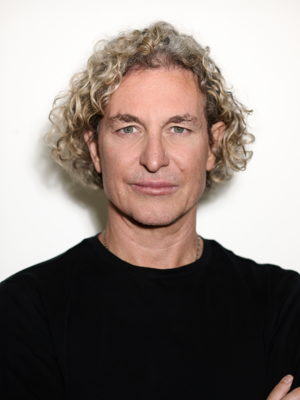
Kenneth Mulvany
BenevolentAI
Ken Mulvany is a leading voice on the impact of artificial intelligence, with a particular focus on its transformative role in life sciences, defence, and governance. He is Executive Chairman and founder of BenevolentAI, one of the UK’s longest-established artificial intelligence companies.Bio
Ken Mulvany is a leading voice on the impact of artificial intelligence, with a particular focus on its transformative role in life sciences, defence, and governance. He is an entrepreneur, philanthropist, and investor with more than two decades of experience in technology, healthcare, and capital markets, and is Executive Chairman and founder of BenevolentAI, one of the UK’s longest-established artificial intelligence companies.
Activist Shareholder and Board Leadership
Ken has also established himself as a prominent activist voice in the UK biotech and technology sectors. Over his career, he has taken an active role in reshaping governance and realigning companies at critical inflection points. His interventions are defined by a focus on protecting shareholder interests, restoring operational and financial discipline, and unlocking long-term value creation.
Entrepreneurial and Business Career
Ken has been an entrepreneur since the mid-1990s and an investor since the late 1990s, building a career that combines the perspective of a founder with the discipline of capital stewardship.
In 2013 he founded BenevolentAI, anticipating the transformative potential of AI in healthcare. The company has since become one of the most established AI-driven drug discovery businesses globally, developing one of the world’s largest biomedical knowledge graphs, forging partnerships with leading pharmaceutical companies, and advancing assets into the clinic.
Advisory and Public Engagement
Ken contributes actively to shaping policy and international dialogue on artificial intelligence, research, and innovation.
• World Economic Forum (WEF): Designated a Technology Pioneer and contributor to WEF initiatives on AI, life sciences, and emerging technologies.
• UK Government: Member of the Advisory Board for the UK Government’s AI Strategy, advising on national priorities for the responsible development of AI.
• UK Parliament: Member of the All-Party Parliamentary Group on Artificial Intelligence (APPG AI), supporting parliamentary understanding and oversight of AI.
• Former member of the Advisory Board, contributing to the commercialisation of advanced research from the University of Oxford.
• Global Forum on Research: Participant in international forums advancing global scientific and technological collaboration.
• Former Chair of Trustees of the Cure Parkinson’s Trust, supporting pioneering research into neurodegenerative disease.
Vision and Impact
Ken combines the perspective of an activist shareholder with the long-term outlook of an entrepreneur and investor. His career reflects a consistent ability to intervene at decisive moments, scale innovative platforms, and align breakthrough science with models that create lasting value.
As founder of one of the UK’s longest-standing AI companies and an engaged advisor to governments and global institutions, Ken is a recognised voice in the global conversation on how artificial intelligence will reshape healthcare, defence, and governance in the years ahead.Ken Mulvany – Media Biography
Ken Mulvany is a leading voice on the impact of artificial intelligence, with a focus on how it is reshaping life sciences, defence, and governance. He is the founder and Executive Chairman of BenevolentAI, one of the UK’s longest-established AI companies, and brings more than two decades of experience as an entrepreneur, investor, and activist shareholder.
Ken serves on the Advisory Board for the UK Government’s AI Strategy and is a member of the All-Party Parliamentary Group on Artificial Intelligence (APPG AI), advising policymakers on the opportunities and risks of emerging technologies. He has also been designated a Technology Pioneer by the World Economic Forum, where he contributes to global discussions on AI, innovation, and health.
Through his career, Ken has combined activism, entrepreneurship, and policy engagement, positioning himself as a prominent voice in the debate on how artificial intelligence will shape the future of science, industry, and society.
IP Implications of Machine Learning, AI and Data in the Life Sciences
-
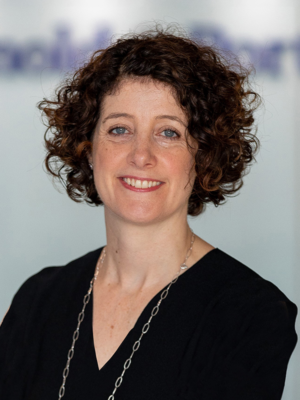
Beatriz San Martin
Arnold & Porter
Beatriz San Martin
Arnold & Porter
Bio
Dr. Beatriz San Martin is a leading intellectual property lawyer with extensive experience in innovative and emerging technologies, particularly within the life sciences sector and technology-enabled solutions. Beatriz is increasingly engaged in advising on the legal implications of artificial intelligence, and the intersection between intellectual property and data governance. Her work in this area reflects her commitment to staying at the forefront of technological and regulatory change. Her disputes practice spans high-profile litigation before the UK Courts and the Court of Justice of the European Union, coordination of cross-border European proceedings, and support in multinational arbitrations. She is known for her robust approach to resolving complex disputes across the full spectrum of intellectual property rights and for providing strategic advice on technically challenging issues.
Multifaceted AI Panel
How are AI, automation and digital infrastructure transforming engineering biology and enabling it at scale?
-
Moderator
Richard Kitney
SynbiCITE
Richard is the Chairman of the Institute of Systems and Synthetic Biology; and Co-director of the EPSRC National Centre for Synthetic Biology and Innovation
Richard Kitney
SynbiCITE
Bio
Richard Kitney is Professor of Biomedical Systems Engineering; Chairman of the Institute of Systems and Synthetic Biology; and Co-director of the EPSRC National Centre for Synthetic Biology and Innovation. He was Founding Head of the Department of Bioengineering, Dean of the Faculty of Engineering.
He Chaired The Royal Academy of Engineering Inquiry into Synthetic Biology http://www.raeng.org.uk/publications/reports/synthetic-biology-report . Kitney is a member of the Ministerial Leadership Council for Synthetic Biology and was one of the main authors of the UK Roadmap for Synthetic Biology http://www.rcuk.ac.uk/RCUK-prod/assets/documents/publications/SyntheticBiologyRoadmap.pdf.
Richard is recognised as a leading research worker in the field of synthetic biology and, with Professor Paul Freemont, has been responsible for developing the Imperial College Hub for Synthetic Biology which is now recognised as one of the leading international centres in the field.
In 2013, they were successful in winning the national competition to establish the UK national industrial translation centre for synthetic biology – SynbiCITE.
Richard has published over 300 papers in the fields of synthetic biology, mathematical modelling, biomedical information systems, and medical imaging and has worked extensively in and with industry.
Kitney was made a Fellow of the World Technology Network in 1999 for his innovative work in the fields of health and medicine. He was made an Academician of the International Academy of BioMedical Engineering in September 2003 (this is the highest honour bestowed by the International Federation of BioMedical Engineering Societies). He is also a Fellow of AIMBE, the America Academy of BioMedical Engineering.
In 2006 he was made an Honorary Fellow of both The Royal College of Physicians and The Royal College of Surgeons. In June 2001, Professor Kitney was awarded The Order of the British Empire (OBE) in the Queen’s Birthday Honours List for services to Information Technology in Biomedicine.
Featuring:
-
Laura Ellis
BBC
Laura Ellis
BBC
Bio
Laura Ellis is a technologist and journalist with a focus on disinformation, data, AI and emerging technology. She has led a number of multimedia news teams, delivered a range of innovation, and guided newsrooms through significant technology change. In her current role she takes a particular interest in ethics, personalised and automated journalism, generative AI and media provenance.
-
Kenneth Mulvany
BenevolentAI
Ken Mulvany is a leading voice on the impact of artificial intelligence, with a particular focus on its transformative role in life sciences, defence, and governance. He is Executive Chairman and founder of BenevolentAI, one of the UK’s longest-established artificial intelligence companies.Bio
Ken Mulvany is a leading voice on the impact of artificial intelligence, with a particular focus on its transformative role in life sciences, defence, and governance. He is an entrepreneur, philanthropist, and investor with more than two decades of experience in technology, healthcare, and capital markets, and is Executive Chairman and founder of BenevolentAI, one of the UK’s longest-established artificial intelligence companies.
Activist Shareholder and Board Leadership
Ken has also established himself as a prominent activist voice in the UK biotech and technology sectors. Over his career, he has taken an active role in reshaping governance and realigning companies at critical inflection points. His interventions are defined by a focus on protecting shareholder interests, restoring operational and financial discipline, and unlocking long-term value creation.
Entrepreneurial and Business Career
Ken has been an entrepreneur since the mid-1990s and an investor since the late 1990s, building a career that combines the perspective of a founder with the discipline of capital stewardship.
In 2013 he founded BenevolentAI, anticipating the transformative potential of AI in healthcare. The company has since become one of the most established AI-driven drug discovery businesses globally, developing one of the world’s largest biomedical knowledge graphs, forging partnerships with leading pharmaceutical companies, and advancing assets into the clinic.
Advisory and Public Engagement
Ken contributes actively to shaping policy and international dialogue on artificial intelligence, research, and innovation.
• World Economic Forum (WEF): Designated a Technology Pioneer and contributor to WEF initiatives on AI, life sciences, and emerging technologies.
• UK Government: Member of the Advisory Board for the UK Government’s AI Strategy, advising on national priorities for the responsible development of AI.
• UK Parliament: Member of the All-Party Parliamentary Group on Artificial Intelligence (APPG AI), supporting parliamentary understanding and oversight of AI.
• Former member of the Advisory Board, contributing to the commercialisation of advanced research from the University of Oxford.
• Global Forum on Research: Participant in international forums advancing global scientific and technological collaboration.
• Former Chair of Trustees of the Cure Parkinson’s Trust, supporting pioneering research into neurodegenerative disease.
Vision and Impact
Ken combines the perspective of an activist shareholder with the long-term outlook of an entrepreneur and investor. His career reflects a consistent ability to intervene at decisive moments, scale innovative platforms, and align breakthrough science with models that create lasting value.
As founder of one of the UK’s longest-standing AI companies and an engaged advisor to governments and global institutions, Ken is a recognised voice in the global conversation on how artificial intelligence will reshape healthcare, defence, and governance in the years ahead.Ken Mulvany – Media Biography
Ken Mulvany is a leading voice on the impact of artificial intelligence, with a focus on how it is reshaping life sciences, defence, and governance. He is the founder and Executive Chairman of BenevolentAI, one of the UK’s longest-established AI companies, and brings more than two decades of experience as an entrepreneur, investor, and activist shareholder.
Ken serves on the Advisory Board for the UK Government’s AI Strategy and is a member of the All-Party Parliamentary Group on Artificial Intelligence (APPG AI), advising policymakers on the opportunities and risks of emerging technologies. He has also been designated a Technology Pioneer by the World Economic Forum, where he contributes to global discussions on AI, innovation, and health.
Through his career, Ken has combined activism, entrepreneurship, and policy engagement, positioning himself as a prominent voice in the debate on how artificial intelligence will shape the future of science, industry, and society. -
Beatriz San Martin
Arnold & Porter
Beatriz San Martin
Arnold & Porter
Bio
Dr. Beatriz San Martin is a leading intellectual property lawyer with extensive experience in innovative and emerging technologies, particularly within the life sciences sector and technology-enabled solutions. Beatriz is increasingly engaged in advising on the legal implications of artificial intelligence, and the intersection between intellectual property and data governance. Her work in this area reflects her commitment to staying at the forefront of technological and regulatory change. Her disputes practice spans high-profile litigation before the UK Courts and the Court of Justice of the European Union, coordination of cross-border European proceedings, and support in multinational arbitrations. She is known for her robust approach to resolving complex disputes across the full spectrum of intellectual property rights and for providing strategic advice on technically challenging issues.
Company Presentations
In this fast-paced session, emerging companies take the stage to showcase how they are transforming ideas into impactful SynBio ventures. Each startup will deliver a five-minute talk, offering a snapshot of the innovation, ambition and commercial potential driving the next generation of engineering biology.
-
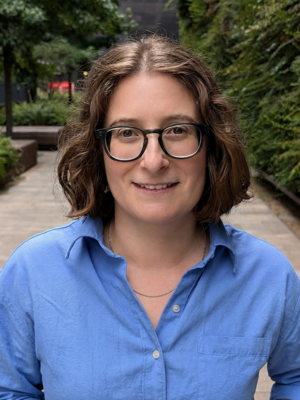
Salpie Nowinski
Hijack Bio
Salpie Nowinski CEO and co-founder of a stealth synthetic biology startup, they’re engineering living therapeutics that can deliver biologics inside the body.Bio
Salpie Nowinski is a Computational Biologist and Biotech founder reimagining disease treatment through the lens of evolutionary biology. As CEO and co-founder of a stealth synthetic biology startup, they’re engineering living therapeutics that can deliver biologics inside the body. With a PhD in Computational Biology studying the evolution of cancers and a research background spanning ICR and Barts Cancer Institute, Salpiebrings deep expertise at the intersection of genomics, evolution, and medicine.
-
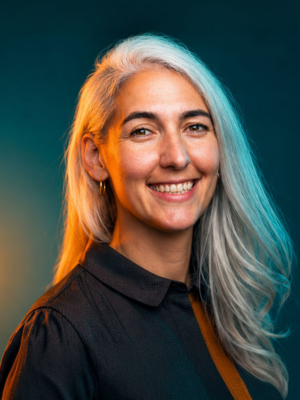
Marta Ciechonska
Salient Bioscience
Dr Marta Ciechonska is the Co-Founder and Chief Executive Officer of Salient BioBio
Dr Marta Ciechonska is the Co-Founder and Chief Executive Officer of Salient Bio
Marta’s academic training at Dalhousie University and Imperial College London gave her a rare combination of molecular microbiology and large-scale automation, the technical foundation that underpins how Salient Bio builds and scales its platforms. She co-founded Salient Bio to advance the applications of automation in diagnostics, and to bridge the gap between R&D and real-world clinical applications, translating microbiome science into wellness and diagnostic tools that can meaningfully change patient outcomes.
She heads up Salient’s strategy, partnerships, and commercial functions, driven by a conviction that preventative healthcare and access to at-home, non-invasive diagnostics have the potential to greatly improve patient outcomes.
-
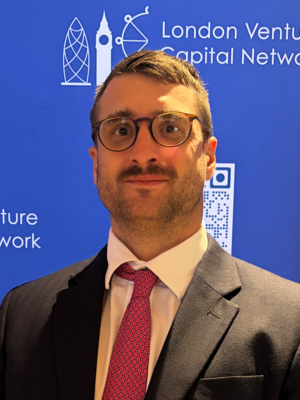
James Catt
imphatec Ltd
James Catt is the CEO and co-founder of imphatec Ltd, a drug-delivery device company creating the first customisable dose subcutaneous implants to treat chronic illnesses.Bio
James Catt is the CEO and co-founder of imphatec Ltd, a drug-delivery device company creating the first customisable dose subcutaneous implants to treat chronic illnesses. At 17 years old James had his thyroid gland removed resulting in the burden of a lifetime of daily oral tablet medication to treat his resultant hypothyroidism. Thinking there must be a better treatment option than manual daily tablets, and after several years of ruminating on ideas, James and his co-founder and CSO Dr Hassan Morad started imphatec to create improved treatment options for long-term daily medication patients through implant technology. imphatec has now successfully completed in vivo animal studies evaluating implant functionality and is beginning its GMP/GLP stages before heading towards human studies and clinical use. Patients deserve modernised treatments for chronic conditions, and imphatec is looking to build that Pill Free Future.
-
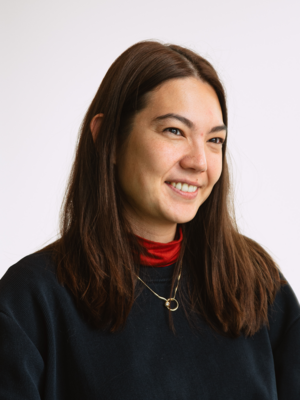
Alicia Graham
Common Thread Studios Ltd
Dr. Alicia Graham is a synthetic biologist and entrepreneur dedicated to creating sustainable, science-driven solutions for industry. She is the co-founder of Common Thread Studios Ltd, a company developing a fermentation-based alternative to synthetic indigo, using a proprietary microbial process to produce a novel blue pigment for the textile industry.
Alicia Graham
Common Thread Studios Ltd
Bio
Dr. Alicia Graham is a synthetic biologist and entrepreneur dedicated to creating sustainable, science-driven solutions for industry. With a PhD from Imperial College London, Alicia‘s work has focused on engineering microbes to address key challenges in production systems. She is the co-founder of Common Thread Studios Ltd, a company developing a fermentation-based alternative to synthetic indigo, using a proprietary microbial process to produce a novel blue pigment for the textile industry.
-
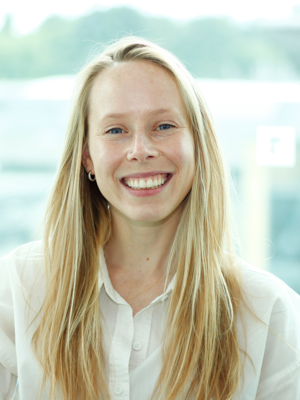
Zoe Woods
nfin
Zoe Woods is co-founder and CEO of nfin (formerly Change Bio), a UK engineering biology company building the manufacturing layer for designed proteins.
Zoe Woods
nfin
Bio
Zoe Woods is co-founder and CEO of nfin (formerly Change Bio), a UK engineering biology company building the manufacturing layer for designed proteins.
Computational tools can now design new proteins faster than industry can work out how to make them. nfin’s platform is built to close that gap, taking protein designers quickly from in silico to scale. An ARIA-funded creator under the Universal Fabricators program, nfin has partnered with customers across food, cosmetics, and materials to prototype novel protein designs. Zoe holds an MBA and an MPP from the University of Oxford and is a recipient of the WomenTech EU award for her leadership in deeptech.
The Key Questions to Ask During Scale Up
-
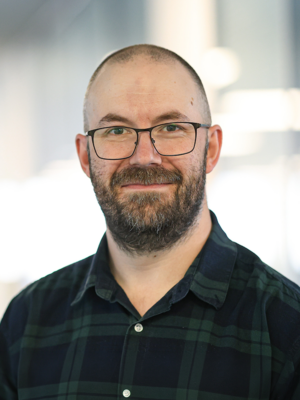
Alex Smith
CPI
Alex is Director of Advanced Processing & Biotechnology at CPIBio
Alex is Director of Advanced Processing & Biotechnology at CPI, supporting innovative businesses in the development and scale up of novel scientific concepts into industrial and commercial reality faster, and with reduced risk through open access labs, pilot and demonstration scale facilities. A chartered chemical engineer and modelling & simulation expert, Alex leads a team of 80 scale up specialists at CPI, including engineers, scientists and process technicians, to support a range of commercial clients and collaborative partners to scale up their Biotechnology and Process Chemistry processes from CPI’s Wilton Centre base.
Engineering Biology to Design the Future of Food
-
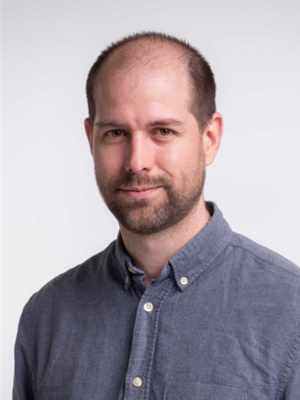
Rodrigo Ledesma-Amaro
Bezos Centre for Sustainable Protein and the Microbial Food Hub
Rodrigo Ledesma-Amaro is a Professor at Imperial College London and Director of the Bezos Centre for Sustainable Protein and the Microbial Food Hub.
Rodrigo Ledesma-Amaro
Bezos Centre for Sustainable Protein and the Microbial Food Hub
Bio
Rodrigo Ledesma-Amaro is a Professor at Imperial College London and Director of the Bezos Centre for Sustainable Protein and the Microbial Food Hub. He leads a research group at the forefront of Engineering Biology and sustainability.
His work focuses on harnessing microorganisms to convert renewable feedstocks into high-value products, with a particular emphasis on sustainable food ingredients. His research spans microbial bioproduction, including precision, biomass and traditional fermentation, and has resulted in over 200 publications.
Lunch
Developing the UK’s Engineering Biology Industry: Three perspectives on industry growth
This three-part session examines how growth in the engineering biology industry can be achieved from three distinct but connected perspectives: academia, start-ups and SMEs, and large industry. Each section will address the same core questions, enabling delegates to compare the priorities, challenges and opportunities identified by each group. A moderator will open each section with a short overview before leading a focused panel discussion.
The Academic Perspective: Turning research into industry growth
-
Moderator
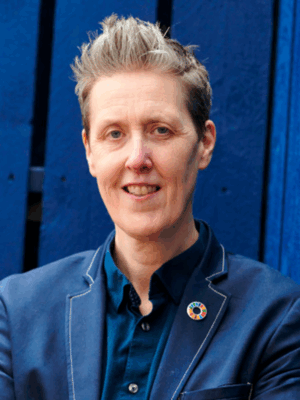
Susan Rosser
University of Edinburgh
Susan is the Director of the UK Centre for Mammalian Synthetic Biology and Co-director of the Edinburgh Genome Foundry for synthetic DNA synthesis and assembly.
Susan Rosser
University of Edinburgh
Bio
Susan is Professor of Synthetic Biology and Royal Academy of Engineering (RAEng) Chair in Emerging Technologies at the University of Edinburgh. She is Director of the UK Centre for Mammalian Synthetic Biology and Co-director of the Edinburgh Genome Foundry for synthetic DNA synthesis and assembly. She also held a prestigious Engineering and Physical Sciences Research Council (EPSRC) Leadership Fellowship in Synthetic Biology. In 2022, her work was recognised by the national academies of both Scotland and Wales, being elected as a Fellow of the Royal Society of Edinburgh (RSE) and Fellow of the Learned Society of Wales. She served as a member of the Scottish Science Advisory Council, Scotland’s highest level science advisory body, providing independent advice and recommendations on science strategy, policy and priorities to the Scottish Government. Her research focuses on using synthetic biology approaches for developing and controlling genetic circuits for applications in cell and gene therapies as well as metabolic engineering. She is co-founder of two early-stage start-ups using a combination of AI and engineering biology for new gene therapies and enzyme replacement therapies for rare diseases.
-
Rodrigo Ledesma-Amaro
Bezos Centre for Sustainable Protein and the Microbial Food Hub
Rodrigo Ledesma-Amaro is a Professor at Imperial College London and Director of the Bezos Centre for Sustainable Protein and the Microbial Food Hub.
Rodrigo Ledesma-Amaro
Bezos Centre for Sustainable Protein and the Microbial Food Hub
Bio
Rodrigo Ledesma-Amaro is a Professor at Imperial College London and Director of the Bezos Centre for Sustainable Protein and the Microbial Food Hub. He leads a research group at the forefront of Engineering Biology and sustainability.
His work focuses on harnessing microorganisms to convert renewable feedstocks into high-value products, with a particular emphasis on sustainable food ingredients. His research spans microbial bioproduction, including precision, biomass and traditional fermentation, and has resulted in over 200 publications.
-
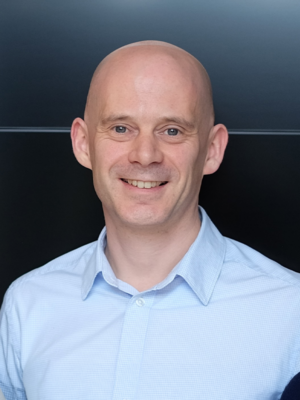
John Heap
University of Nottingham
John is Professor of Engineering Biology and leads the GlycoCell UKRI Engineering Biology Mission Hub
John Heap
University of Nottingham
Bio
John Heap is Professor of Engineering Biology at the University of Nottingham, and co-leads the Nottingham Engineering Biology Labs research cluster. He and his team develop enabling engineering biology technologies and apply them to design, construct, optimise and exploit engineered microbial strains and biocatalysts for biomanufacturing. He transfers his work widely to academia and industry, including by licencing and commercialising IP. John is inventor of several patent families and co-founder of three startup companies. He is a member of several industrial and academic management, funding, directors and advisory boards and committees. John is the Principal Investigator of the GlycoCell UKRI Engineering Biology Mission Hub, applying engineering biology and the new GlycoForge biofoundry to unlock new effective, sustainable and scalable routes to development and production of vaccines, therapeutics, diagnostics and new drug targets. He is Co-Lead of the new Carbon-Loop sustainable manufacturing hub (C-Loop), transforming waste streams to valuable products.
-
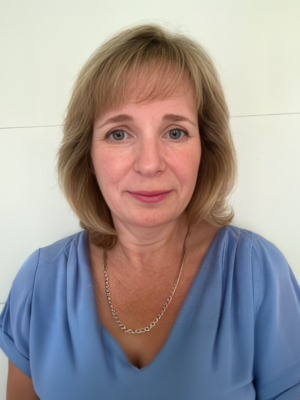
Rowan McKibbin
BBSRC
Dr Rowan McKibbin is the Director of the UKRI Engineering Biology Programme at the Biotechnology and Biological Sciences Research Council (BBSRC).Bio
Dr Rowan McKibbin is the Director of the UKRI Engineering Biology Programme at the Biotechnology and Biological Sciences Research Council (BBSRC), a role she moved into in May 2026 to lead a £644 million priority programme supporting the UK’s Modern Industrial Strategy and Digital and Technologies Sector Plan.
-
Tom Ellis
Imperial College London
Tom Ellis is Professor in Synthetic Genome Engineering at Imperial College London and co-director of the Imperial Centre for Engineering Biology.
Tom Ellis
Imperial College London
Bio
Tom Ellis is Professor in Synthetic Genome Engineering at Imperial College London and co-director of the Imperial Centre for Engineering Biology. He began his career helping sequence the human genome, before developing new drug modalities in his PhD and at a subsequent spin-out company in London. He has two decades of experience in synthetic biology research in the US and UK and now is considered one of the pioneers of the field of Engineered Living Materials. He led the first UK team to complete a synthetic chromosome for a eukaryotic organism and is now part of the UK’s effort to construct a synthetic human chromosome.
The Start-up and SME Perspective: Building ventures and overcoming scale-up barriers
-
Moderator
Ben Reeve
Modern Synthesis
Ben Reeve is the Co-founder and CTO of Modern Synthesis, developing materials from microbes to replace leather and coated textiles in the fashion industry.
Ben Reeve
Modern Synthesis
Bio
Ben Reeve is the Co-founder and CTO of Modern Synthesis, developing materials from microbes to replace leather and coated textiles in the fashion industry.
He has an MA from the University of Cambridge and a PhD in synthetic biology from the Ellis Lab at Imperial College London. Previously he was a founding team member and CTO of the successful materials spin-out, Puraffinity, where he helped to develop sustainable water treatment materials.
-
Gustaf Hemberg
Scindo
Gustaf is the CEO and Co-Founder of Scindo, a company pioneering AI-guided enzyme design to enable sustainable chemical manufacturing from renewable and upcycled feedstocks.
Gustaf Hemberg
Scindo
Bio
Gustaf is the CEO and Co-Founder of Scindo, a company pioneering AI-guided enzyme design to enable sustainable chemical manufacturing from renewable and upcycled feedstocks. He earned his DPhil in organic chemistry and chemical biology from the University of Oxford under the supervision of Professor Ben G. Davis, where his research focused on the discovery and engineering of novel enzyme functionalities for selective C–H activation and C–C bond cleavage — work that laid the foundation for Scindo’s technology platform. Prior to this, he completed his MChem at Oxford with a dissertation on the incorporation of unnatural amino acids into natural enzymes.
Before founding Scindo, Gustaf worked in finance and private equity, including as Head of Research at a London-based PE fund specialising in the acquisition and transformation of precision engineering businesses. Combining deep scientific expertise with commercial insight, he now leads Scindo with a mission to transform the chemical industry by unlocking nature’s catalysts.
-
Cai Linton
Multus
Cai is the CEO of Multus, a biotech company on a mission to develop the key ingredient, growth media, to make cultivated meat affordable and profitable.
Cai Linton
Multus
Bio
Cai Linton has an MEng in Molecular Bioengineering from Imperial College London and combines technical knowledge in tissue engineering & data science with management experience. His motivation to create a sustainable future using biotechnology led him to co-found Multus to shorten routes to market and lower entry barriers in the cultivated meat industry. Multus makes it faster and cheaper to get growth media that scales, accelerating the adoption of cellular agriculture. The company’s growth media formulations and ingredients are the building blocks of cellular agriculture and enable the affordable at-scale production of real animal products, including meat, dairy, leather, and more, using cells instead of animals.
-
Nigel Scrutton
C3 Biotech
Nigel Scrutton is the Chief Scientific Officer and Co-Founder of C3 Biotech.
Nigel Scrutton
C3 Biotech
Bio
Nigel Scrutton is the Chief Scientific Officer and Co-Founder of C3 Biotech. He leads the company’s scientific strategy at the intersection of chemistry, biology, and engineering. He plays a pivotal role in shaping C3’s technology platform, driving innovation in next-generation biomanufacturing, and guiding the company’s long-term vision and global impact.
Nigel is a Fellow of the Royal Society and has served as Director of the UK Future Biomanufacturing Research Hub, which he founded in 2019. Previously, he was Director of the Manchester Institute of Biotechnology (2010–2019), during which time the Institute was awarded the Queen’s Anniversary Prize for Higher and Further Education (2018–2020) for its national leadership in biotechnology and biomanufacturing.
Nigel also advises the UK Government on the strategic development of biotechnology in both civilian and defence contexts.
-
Nadav Rosenberg
Saras Capital
Nadav is the founder of Saras Capital, a tech bio micro-fund based in London.
Nadav Rosenberg
Saras Capital
Bio
Nadav Rosenberg is the founder of Saras Capital, a tech bio micro-fund based in London. Nadav established Saras Capital in 2020 after building a successful portfolio of angel investments in early-stage technology companies and spending almost a decade as a venture partner at Entrepreneur First (EF). His primary investment focus is providing first-check backing to ambitious scientists turned tech bio entrepreneurs.
Before becoming an investor, Nadav held key operational roles at Groupon and Taboola. He was an early operator at Groupon, which went public with a valuation of $9.5 billion, and later joined Taboola as its first European employee, successfully launching its UK, France, and Germany operations before the company’s New York listing at $2.6 billion. He began his career at McKinsey & Co. and holds an MBA from INSEAD and an MSc in Economics from Birkbeck, University of London.
Saras Capital specializes in pre-seed and seed investments in computational-first scientific ventures focused on therapeutics, synthetic biology, and related technologies. The fund was an early backer of companies such as Ochre Bio, Core Biogenesis, Coding Bio, Eleven Therapeutics, Kyron Bio, and many more.
Coffee Break
The Large Industry Perspective: Driving adoption, investment and growth at scale
-
Moderator
Lionel Clarke
BionerG Ltd
Director, BionerG Ltd and Former Co-Chairman, UK Engineering Biology Leadership Council
Lionel Clarke
BionerG Ltd
Bio
Following academic research in Imperial College, in Cambridge University and in Grenoble, France (as a Royal Society European Research Fellow), Lionel Clarke began his career developing environmentally-improved transport fuels with Shell, initially as global technical lead pioneering the global phase-out of leaded gasoline and, from 2000, the development of advanced biofuels as a means to reduce dependence upon fossil fuels. Motivated by the urgency to develop effective solutions to tackle climate change and the central role that biological systems could play, he left Shell in 2014 to start his own company, BionerG, developing a biobased system for global carbon removal. He was invited by the UK government in 2011 to chair the generation of the UK Synthetic Biology Roadmap, and subsequently to co-chair together with a senior government minister the UK’s Engineering Biology Leadership Council (EBLC), an independent advisory council, through to 2023.
Lionel Clarke is a visiting professor in the Department of Bioengineering in Imperial College and holds an honorary professorial chair in the Faculty of Chemistry in the University of Manchester. In 2019 he was awarded an OBE by HM Queen Elizabeth for services to Synthetic Biology.
-
David Tew
GSK
David Tew
GSK
Bio
David Tew recently retired from GSK where he was a Senior Scientific Director. David has 35 years of experience in the pharmaceutical industry from early drug discovery through to drug development and the application of Synthetic Biology. Most recently David led a project to apply Synthetic Biology to redesign the manufacture of therapeutic oligonucleotides. This has resulted in a platform approach to therapeutic oligonucleotide synthesis and manufacture that is both scalable and more sustainable than current approaches.
In 2018 David was appointed as The Royal Society Entrepreneur in Residence at Bristol University working with BrisSynBio and the Bristol Biodesign Institute. David held this position until 2022.
During the SARS-CoV-2 pandemic, David lead the innovation workstream for the Cambridge COVID-19 Testing Centre, a collaboration between AstraZeneca, GlaxoSmithKline and the University of Cambridge. -
Paul Mines
Biome Technologies
Paul Mines is CEO of Biome Technologies, whose Biome Bioplastics division develops bio-based and biodegradable polymers and industrial biotechnology products.Bio
Paul Mines is CEO of Biome Technologies, whose Biome Bioplastics division develops bio-based and biodegradable polymers and industrial biotechnology products. He chairs the Industrial Biotechnology Leadership Forum (IBLF) and the Bio-based and Biodegradable Industries Association (BBIA), and sits on DBIST’s Engineering Biology Advisory Panel. An engineer by training, he began at ICI on high-hazard chemical plants. He was later MD of Courtaulds Chemicals, where he moved a flame-retardants plant from batch to continuous manufacture. He was CEO of Betts Group, a pharmaceutical packaging business, from 1998 to 2006. He holds a BSc in Engineering Science and Management from Durham and an MBA from London Business School.
-
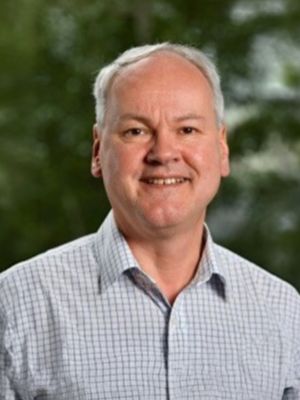
Jeremy Shears
Royal Society
Since 2025, he is Royal Society Entrepreneur in Residence and honorary professor in Chemistry at the Manchester Institute for Biotechnology, Trustee of the Royal Society of Chemistry, and external advisory board member at Exeter and Newcastle Universities.
Jeremy Shears
Royal Society
Bio
Following a PhD in Biochemistry at the University of Bristol, Jeremy worked at Shell for almost 40 years. He held commercial and technology leadership positions in the UK, Singapore, UAE, India, France and Belgium, across businesses including chemicals, lubricants, fuels and new energies. Then, as Chief Scientist he led Shell’s innovation agenda in bioscience with a focus on biofuels, circular chemicals and nature-based solutions involving natural ecosystems as carbon sinks.
Since 2025, he is Royal Society Entrepreneur in Residence and honorary professor in Chemistry at the Manchester Institute for Biotechnology, Trustee of the Royal Society of Chemistry, and external advisory board member at Exeter and Newcastle Universities.
Synbio Unplugged
-
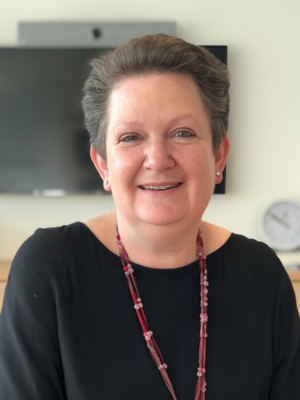
Dame Tamara Finkelstein
Chief Executive, Royal Academy of Engineering
Dame Tamara Finkelstein is the Chief Executive of the Royal Academy of Engineering
Dame Tamara Finkelstein
Chief Executive, Royal Academy of Engineering
Bio
Dame Tamara Finkelstein is the Chief Executive of the Royal Academy of Engineering. She studied engineering and economics before starting her career as an economist in HM Treasury. Her career in government included leadership roles in Sure Start, Adult Social Care and the Building Safety Programme in the wake of the Grenfell Tower fire. Before joining the Academy in 2026 she spent six years as the Permanent Secretary at the Department of Environment, Food and Rural Affairs having previously led the department’s work on EU Exit Delivery. As Head of the Government Policy Profession she worked closely with the Academy on the Policy Fellowships Programme. Tamara is a trustee of a number of community and social care charities.
Interviewed by:
-
Richard Kitney
SynbiCITE
Richard is the Chairman of the Institute of Systems and Synthetic Biology; and Co-director of the EPSRC National Centre for Synthetic Biology and Innovation
Richard Kitney
SynbiCITE
Bio
Richard Kitney is Professor of Biomedical Systems Engineering; Chairman of the Institute of Systems and Synthetic Biology; and Co-director of the EPSRC National Centre for Synthetic Biology and Innovation. He was Founding Head of the Department of Bioengineering, Dean of the Faculty of Engineering.
He Chaired The Royal Academy of Engineering Inquiry into Synthetic Biology http://www.raeng.org.uk/publications/reports/synthetic-biology-report . Kitney is a member of the Ministerial Leadership Council for Synthetic Biology and was one of the main authors of the UK Roadmap for Synthetic Biology http://www.rcuk.ac.uk/RCUK-prod/assets/documents/publications/SyntheticBiologyRoadmap.pdf.
Richard is recognised as a leading research worker in the field of synthetic biology and, with Professor Paul Freemont, has been responsible for developing the Imperial College Hub for Synthetic Biology which is now recognised as one of the leading international centres in the field.
In 2013, they were successful in winning the national competition to establish the UK national industrial translation centre for synthetic biology – SynbiCITE.
Richard has published over 300 papers in the fields of synthetic biology, mathematical modelling, biomedical information systems, and medical imaging and has worked extensively in and with industry.
Kitney was made a Fellow of the World Technology Network in 1999 for his innovative work in the fields of health and medicine. He was made an Academician of the International Academy of BioMedical Engineering in September 2003 (this is the highest honour bestowed by the International Federation of BioMedical Engineering Societies). He is also a Fellow of AIMBE, the America Academy of BioMedical Engineering.
In 2006 he was made an Honorary Fellow of both The Royal College of Physicians and The Royal College of Surgeons. In June 2001, Professor Kitney was awarded The Order of the British Empire (OBE) in the Queen’s Birthday Honours List for services to Information Technology in Biomedicine.